
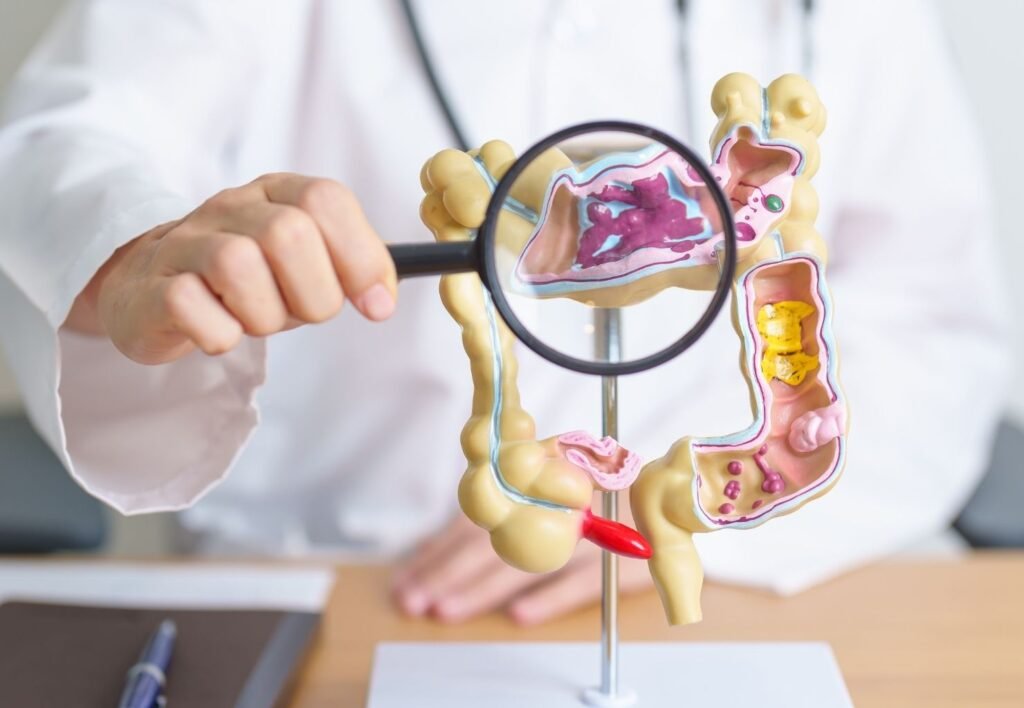






Colon Cancer Treatment in Ahmedabad

colon cancer found

What is Colon Cancer Treatment ?

Colon Cancer Treatment includes surgery to remove the affected part of the colon, along with chemotherapy, radiation, and targeted therapies to destroy cancer cells. The treatment plan depends on how early the cancer is detected and whether it has spread. With timely screening and proper medical evaluation, patients achieve better recovery and survival rates. Specialists use modern diagnostic tools to design customized treatment plans. Continuous Regular check-ups after treatment help ensure the cancer does not come back and help patients stay healthy in the long time.

What Are

Symptoms Of Colon Cancer

Colon cancer can be quiet in the beginning. Many people feel completely fine in the early stages. But as it grows, you may start to notice:

Changes in bowel habits​like diarrhea

Changes in bowel habits

Such as diarrhea, constipation, or a change in stool consistency that lasts more than a few days.

Changes in urination​

Blood in your stool

It may appear as bright red blood or darker, tar-like stools.

weight loss sign of cancer

Unexplained weight loss

Losing weight without trying is often an early sign something’s wrong.

body extermly tired

Feeling tired or weak all the time

This can be caused by internal bleeding leading to anemia.

pain in the lower abdomen or Cramping

Cramping or pain in the lower abdomen

Discomfort that doesn’t go away, especially after eating or passing stool.

A feeling that your bowel doesn’t empty completely​

A feeling that your bowel doesn’t empty completely

You may feel like you still need to go, even after a bowel movement.

These symptoms don’t always mean cancer—but if they persist, it’s best to get checked.

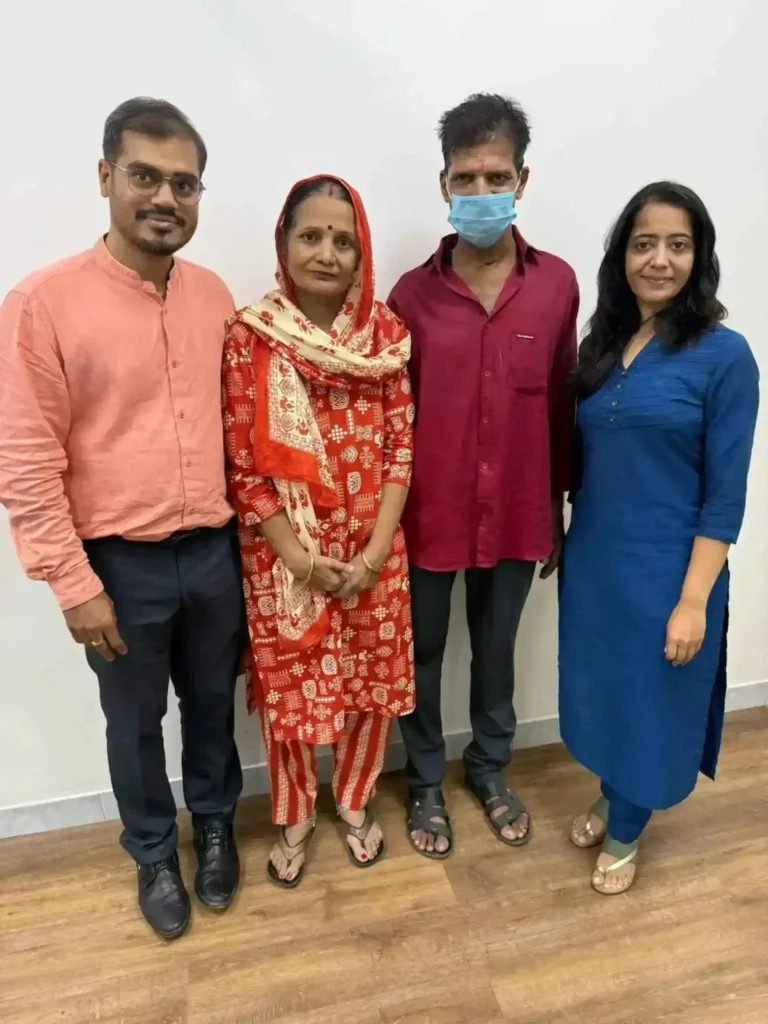
Dr. Mihir Shah with Patient

How We Diagnose Colon Cancer ?

Dr. Mihir Shah may recommend a few different tests, depending on your symptoms and risk level:

  • Colonoscopy – the most accurate way to check the colon and remove polyps during the same test.
  • Stool tests – to detect blood or abnormal DNA in your stool.
  • CT colonography (virtual colonoscopy) – a non-invasive scan of the colon.
  • Biopsy – if a suspicious area is found, a small sample is taken for lab testing.
  • Blood tests – to check for anemia and tumor markers like CEA.

We explain everything step-by-step, so you’re never left confused or overwhelmed.

Stages of Colon Cancer

At Dr. Mihir R Shah’s Hospital, Staging determines the extent of cancer spread and guides treatment. It typically includes:

Stage 0

Very early cancer in the inner lining of the colon.

We’ve found something small, something early. It hasn’t moved, and that gives us a big advantage.
It’s like catching a spark before it becomes a flame. That early start can make all the difference.

Stage I

Cancer has grown into the colon wall but hasn’t spread beyond it.

It’s still in one place. Still manageable. Still early.
We’ve got time, options, and a clear plan. You’re not behind — we’re right where we need to be.

Stage II

The tumor has grown through the wall but hasn’t reached nearby lymph nodes.

It might look more serious on paper, but the cancer is still local.
We’ve seen this before, and we know how to treat it. The road ahead is still full of hope.

Stage IIl

Cancer has spread to nearby lymph nodes but not to other organs.

This tells us the cancer is on the move — but it hasn’t reached distant organs.
It’s more serious, yes. But many people go through this stage and come out stronger. We build a treatment plan that’s smart, focused, and personal.

Stage IV

Cancer has spread to distant organs like the liver, lungs, or brain. Even in later stages, there are treatment options that can help control the cancer and improve quality of life.

This is when we shift our focus.
We may not talk about curing anymore, but we absolutely talk about living — better, longer, and with as much comfort and dignity as possible. There’s still a plan. There’s still purpose. There’s still you — and we’ll be here, walking beside you.

Ethical Communication Systems

At every stage, patients and families deserve not just medical facts — but thoughtful, honest conversations.
That’s how we say the right things, the right way.

Treatments Of colon Cancer

Every case is different. Dr. Mihir Shah takes the time to understand your condition, your preferences, and your overall health before recommending a treatment plan.

Surgery

(01)

If the cancer is caught early, surgery to remove the tumor may be all that’s needed. In some cases, part of the colon may need to be removed (colectomy).

Chemotherapy

(02)

This uses medicine to kill cancer cells. It may be given after surgery to lower the risk of cancer coming back, or in advanced stages to slow its growth.

Targeted Therapy

(03)

Certain types of colon cancer respond to newer medicines that block how the cancer cells grow. This is used mostly in more advanced stages.

Immunotherapy

(04)

This helps your body’s own immune system recognize and fight the cancer. It doesn’t work for all colon cancers, but for the right patients, it can be very effective.

Supportive Care

(05)

In advanced cases, treatment may focus on easing symptoms and improving quality of life—without trying to cure the disease. You’ll still get the best possible care and support.

Reach out to Dr. Mihir Shah for expert care

If you’ve been experiencing stomach issues, changes in your bowel habits, or you are over 45 and haven’t had a screening yet, this is the time to act. Many people delay screening out of fear or embarrassment, but early detection can make all the difference. Colon cancer is highly treatable and often preventable if caught early. Dr. Mihir Shah offers expert, confidential care in an environment that prioritizes your comfort, dignity, and peace of mind.

Have a Question?

Dr. Mihir R. Shah addresses the most common questions to help you understand the procedure, recovery, and what to expect—so you can move forward with confidence and clarity.

Mostly, but not always. It’s becoming more common in younger adults too, which is why symptoms should never be ignored—no matter your age.

In some cases, a temporary colostomy bag is needed. But for many people, it’s not permanent, and some don’t need one at all.

A healthy diet with more fiber, fruits, and vegetables—and less processed meat—can help reduce your risk, but it’s not a guarantee.

Colonoscopy is done under sedation, so you’re asleep and comfortable during the test. Most people say they don’t remember it.

Yes. Many people return to work, family life, and even travel after completing treatment—especially if the cancer is caught early.

Take Control of Your Health
Compassionate Care, Backed by Science
Dr. Mihir Shah is here to help you navigate your diagnosis with strength, clarity, and hope. You deserve the best care possible, and we’re here for you.
Dr.Mihir shah-happy client
Scroll to Top