
Soft Tissue Sarcoma Cancer Treatment in Ahmedabad
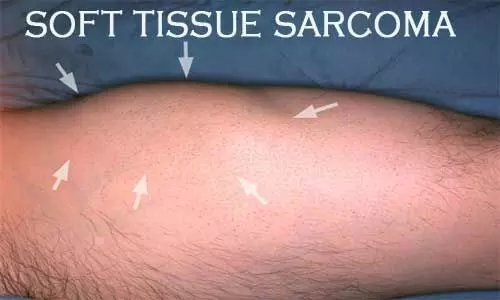
What is Soft Tissue Sarcoma Treatment?
Soft Tissue Sarcoma Treatment focuses on managing cancers that develop in soft parts of the body like muscles, fat, nerves, and blood vessels. Treatment begins with imaging tests and a biopsy to understand the tumor’s type and stage. Doctors may use surgery to remove the tumor, radiation therapy to kill cancer cells, or chemotherapy to stop cancer from spreading. Advanced treatments like targeted therapy and immunotherapy are also used in certain cases. The aim is to control the cancer, reduce symptoms, and improve long-term survival.
What Are
Symptoms Of Soft Tissue Sarcoma Cancer
Soft tissue sarcoma can show up in different ways depending on where it is. Some of the more common signs include:
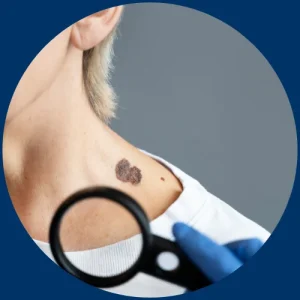
New or Growing Lump
A painless lump that gets larger over time is often the first sign. It may feel firm or deep under the skin. Many people ignore it, thinking it’s nothing serious—but a lump that doesn’t go away should always be checked.

Pain or Soreness in the Area
If the tumor presses on nearby nerves, muscles, or organs, it can cause discomfort or pain. This can come on gradually and might worsen with movement or touch.

Numbness or Tingling
When a tumor presses on a nerve, it can cause numbness, tingling, or a “pins and needles” sensation—especially in the arms or legs. This shouldn’t be ignored.

Reduced Movement or Function
You might notice stiffness, weakness, or trouble using a limb if the tumor is near a joint or muscle. Any unexplained loss of mobility should be evaluated.

Unexplained Fatigue
Feeling unusually tired without a clear reason can be a sign that your body is fighting something. While common in many conditions, persistent fatigue should be taken seriously—especially if paired with other symptoms.

Sudden or Unexplained Weight Loss
Losing weight without trying can sometimes point to a more serious underlying issue, including advanced soft tissue sarcoma. If you’re dropping pounds and don’t know why, it’s worth checking in with your doctor.
How We Diagnose Soft Tissue Sarcoma Cancer ?
Dr. Mihir Shah starts with a thorough physical exam and listens carefully to your symptoms. If a lump is found, you may be advised to undergo:
- MRI or CT Scan – to get a clear view of the tumor
- Ultrasound – often used in early stages to assess soft tissue masses
- Biopsy – a small tissue sample is taken and tested in the lab to confirm if it’s cancerous and to identify the type of sarcoma
- PET Scan – to check if the cancer has spread to other areas
Getting the correct diagnosis helps us decide the best treatment approach for you.
Stages of Soft Tissue Sarcoma
Staging tells us how far the cancer has spread and helps plan your treatment:
Stage I
Low-grade tumor, small, hasn’t spread to lymph nodes
At this point, we’ve found a tumor — but it’s small, hasn’t moved beyond its starting point, and the cells are growing slowly.
Think of it as a spark that hasn’t spread. We’ve caught it early, and that gives us a strong head start.
Stage II
Higher-grade tumor, may be slightly larger, still localized
Here, the tumor may be slightly larger or a little more aggressive under the microscope.
But the good news: it’s still in one place.
We’re still dealing with a localized issue, and we have clear paths forward for treatment.
Stage IIl
Larger tumor, or spread to nearby lymph nodes
Now the cancer may have grown larger, or we’ve found it in nearby lymph nodes — small filters in the body that are often the first place cancer travels.
This tells us it’s moving regionally, but we’re still not seeing signs of spread to distant organs.
It’s more serious, but very often still treatable with a focused plan.
Stage IV
Cancer has spread to distant organs like lungs, liver, or bones
At this stage, cancer has traveled to other parts of the body. It doesn’t mean we stop fighting — it means we shift our goals: from curing to controlling, from eliminating to improving quality of life.
And always, walking that journey with clarity, support, and dignity.
Ethical Communication Systems
At every stage, patients and families deserve not just medical facts — but thoughtful, honest conversations.
That’s how we say the right things, the right way.
Treatments Of
Soft Tissue Sarcoma Cancer
Every treatment plan is built around your specific needs, the location of the tumor, and how far the cancer has progressed. Options may include:
Surgery
(01)
Often the first step. The goal is to remove the tumor with a clear margin around it. In some cases, reconstructive surgery may also be needed after the tumor is removed.
Radiation Therapy
(02)
Used before or after surgery to shrink the tumor or prevent it from coming back. High-energy beams target the cancer without harming much of the surrounding tissue.
Chemotherapy
(03)
Recommended for certain types of sarcomas, especially if they’re high-grade or have spread. It may also be used before surgery to shrink the tumor.
Targeted Therapy
(04)
Used for specific genetic mutations found in the tumor. These drugs can stop cancer cells from growing without affecting healthy cells as much.
Immunotherapy
(05)
In selected cases, this can help boost the body’s immune system to fight the cancer more effectively.
Life After Treatment
Recovering from soft tissue sarcoma treatment can take time, especially if it involved surgery, radiation, or chemotherapy. Physical therapy, emotional support, and regular follow-ups are all part of the process.
Dr. Mihir Shah and his team walk with you through every phase of care—because healing doesn’t stop after the treatment ends.
Have a Question?
Dr. Mihir Shah addresses the most common questions to help you understand the procedure, recovery, and what to expect—so you can move forward with confidence and clarity.
No, not all lumps are cancer. But any lump that grows, feels firm, or doesn’t go away in a few weeks should be checked by a doctor.
Some types grow slowly, while others are more aggressive. Early diagnosis helps improve outcomes significantly.
In most cases, limb-sparing surgery is possible. Amputation is now rare and only used when absolutely necessary.
Many soft tissue sarcomas can be cured if caught early. Even in advanced stages, treatment can help manage the disease.
Take Control of Your Health
Compassionate Care, Backed by Science
Dr. Mihir Shah is here to help you navigate your diagnosis with strength, clarity, and hope. You deserve the best care possible, and we’re here for you.
