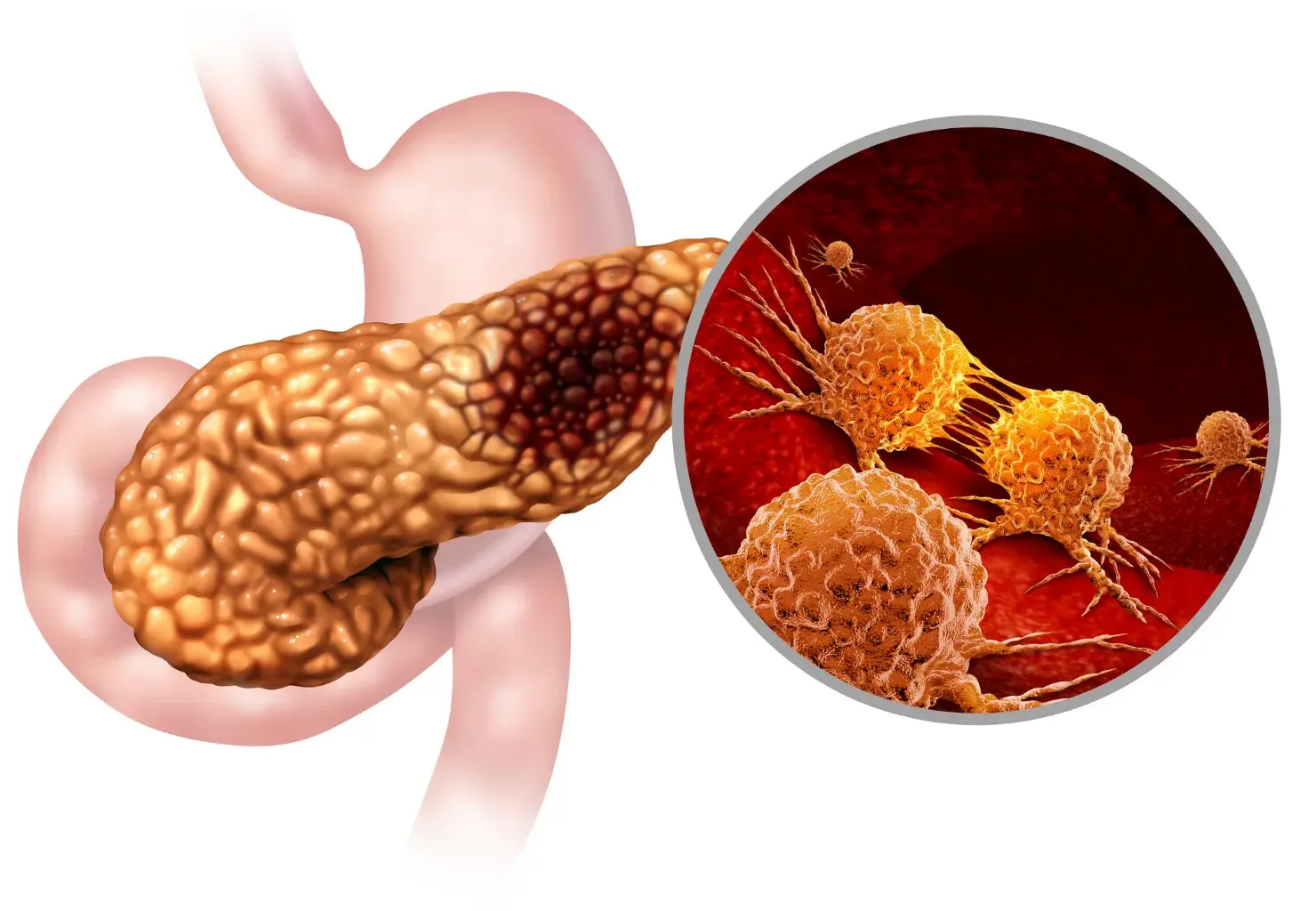


Esophageal Cancer Treatment in Ahmedabad

Esphogal Cancer

What is Esophageal Cancer Treatment?

Esophageal Cancer Treatment is the process used to diagnose, control, and remove cancer that develops in the esophagus, also known as the food pipe. The treatment starts with tests like endoscopy, biopsy, and imaging scans to understand the type and stage of cancer. Based on this, doctors create a personalized treatment plan that may include surgery, chemotherapy, radiation therapy, targeted therapy, or immunotherapy.  In early stages, small tumors can sometimes be removed using endoscopic procedures without major surgery. In more advanced stages, a combination of chemo-radiation and surgery is used to shrink the tumor and remove it safely

What Are

Common Signs & Symptoms Of Esophageal Cancer

Twisted, swollen and tortuous veins are often blue or purple. They appear just below the surface of the skin on your legs, ankles and feet.

chest pain

Chest Pain or Discomfort

A sore throat that doesn’t go away after a few weeks, even with antibiotics or other treatments, can be a warning sign—especially if there’s no clear cause like a cold or flu. It may feel scratchy, painful, or just uncomfortable and may worsen with swallowing.

Hoarseness effct like voice changes

Hoarseness or Voice Changes

If your voice sounds more raspy, weak, or hoarse for more than 2–3 weeks—and you’re not sick with a cold or using your voice excessively—it could signal that the cancer is affecting nerves near the esophagus or throat. This symptom often gets overlooked, so don’t ignore it.

food stuck in body

Difficulty Swallowing (Dysphagia)

This can feel like food is “stuck” in your throat or chest, or may be painful. It might cause coughing during eating or make it hard to swallow solid foods. This symptom is often linked to cancers in the throat or esophagus and should not be ignored.

cough problem

Persistent Cough or Shortness of Breath

A cough that lingers for more than three weeks—or worsens over time—shouldn’t be ignored. It may be dry or produce mucus, and sometimes even blood. Shortness of breath when doing routine activities can also be an early sign of lung or throat cancers. If you’re not sick with a cold or allergies, talk to doctor.

body extermly tired

Fatigue That Doesn’t Improve With Rest

Feeling extremely tired all the time, even after a full night’s sleep or a restful weekend, may be more than just burnout. This kind of fatigue feels deeper—it can make it hard to work, concentrate, or even do everyday tasks. Persistent, unexplained fatigue can be a symptom of several cancers.

weight loss sign of cancer

Unexplained Weight Loss

Losing weight without trying—especially 10 pounds or more over a few months—can be an early warning sign of cancer. This type of weight loss isn’t related to diet, exercise, or stress and can happen even when you’re eating normally. It’s often seen in cancers of the pancreas, stomach, lungs, or esophagus.

If any of these symptoms last more than 2–3 weeks, especially in people who smoke, drink alcohol heavily, or are exposed to HPV, it’s important to seek medical evaluation as soon as possible.

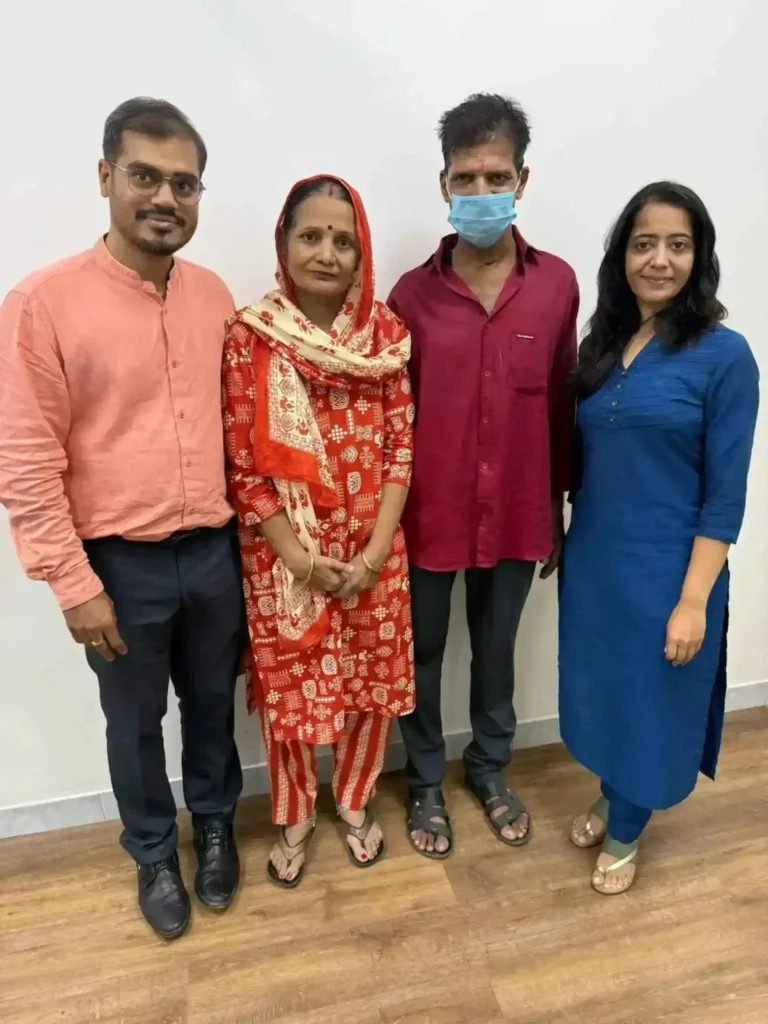
Dr. Mihir Shah with Patient

How We Diagnose Esophageal Cancer ?

Your journey begins with listening. Dr. Mihir Shah starts with a detailed consultation, followed by the most accurate diagnostics available:

Endoscopy– A thin, flexible tube with a camera is passed down the throat to examine the esophagus. A biopsy may be taken during this procedure.

Biopsy- Tissue samples are tested to confirm if cancer is present and what type it is.

Imaging Tests– CT scan, PET scan, or an endoscopic ultrasound (EUS) help assess how far the cancer has spread.


Each step helps us understand your cancer — so we can create a treatment plan that’s precise, personal, and focused on the best possible outcome.

Stages of Esophageal Cancer

At Dr. Mihir R Shah’s Hospital, Staging determines the extent of cancer spread and guides treatment. it shows whether the cancer is limited to the esophagus or has spread to nearby lymph nodes or distant organs. This information allows us to choose the most effective treatment options and give you a clear, honest understanding of what lies ahead.

Stage 0

Very early / non-invasive cancer

At this point, abnormal cells are only in the innermost layer of the esophagus lining. This is called carcinoma in situ — a warning light, not a fire.

It hasn’t grown deeper or spread to any lymph nodes or organs.
It’s our opportunity to act early, when treatment is often simple and very effective.

Minimally invasive procedures — like endoscopic therapy — may be all that’s needed.
Think of it as a whisper from your body — one we’re listening to closely.

Stage I

Cancer is small and still in one place

The tumor has grown deeper into the esophagus wall but hasn’t spread to lymph nodes or other parts of the body.

It’s still localized and small.

At this stage, we have a strong chance of curing it.

Treatment may include surgery (esophagectomy), or a combination of endoscopic therapy, radiation, or chemotherapy — depending on the case.

We act early, with a plan that’s both precise and hopeful.

Stage II

Cancer has grown or spread to nearby lymph nodes

It may begin to affect swallowing or digestionbut it’s still mostly local.

We might combine treatments: chemoradiation followed by surgery, or surgery first, depending on the case.

We also plan for recovery of function, because how you live after treatment matters deeply.

We stay focused on removing the cancer and restoring your life.

Stage IIl

Cancer has spread to nearby major blood vessels or many lymph nodes

Here, the cancer may have grown into nearby tissues or involved several lymph nodes — but it hasn’t spread to distant organs.

It may affect breathing, eating, or nearby organs.

This stage often requires more intensive treatment — a combination of chemotherapy, radiation, surgery, or targeted therapy.

Recovery may take longer, and support is key — including nutritional, speech, and swallowing care.

It’s a serious step, but one we walk together, with care around every corner.

Stage IV

Cancer has spread to distant organs, such as the liver, lungs, or abdominal lining

This stage can mean several things: the tumor is large, has spread to multiple lymph nodes, or has moved to distant parts of the body.
Not all Stage IV esophageal cancers are the same.

For some, treatment can still aim to cure.
For others, it focuses on controlling the cancer, easing symptoms, and helping you live fully for as long as possible.

We use everything we have — advanced therapies, clinical trials, and heartfelt support.
Even when cure isn’t the goal, comfort, dignity, and connection always are.

Every Stage Deserves Clarity and Compassion

Whether your journey is just beginning or already underway — you are more than a diagnosis.

You are a voice, a story, a life that matters deeply.

We’re here to help you understand, plan, and heal — with honesty, compassion, and the expertise you deserve.

Treatments Of
Esophageal Cancer

There’s no one-size-fits-all solution when it comes to cancer. Your treatment will depend on your cancer type, stage, age, and overall health. Dr. Mihir Shah works closely with each patient to choose the safest and most effective option.

Surgery

(01)

For many head and neck cancers, surgery is the first step toward recovery.

  • Removes the tumor and, when needed, nearby lymph nodes or tissue.
  • Reconstructive surgery may be used to restore function and appearance.
  • Minimally invasive or robotic techniques can support faster healing.

Radiation Therapy

(02)

Radiation uses high-energy beams to kill cancer cells with precision.

  • Often used after surgery to destroy remaining cancer cells.
  • Can be the main treatment for certain cases.
  • Techniques like IMRT target the tumor while protecting nearby healthy tissue.

Think of it as a focused tool that attacks the cancer while preserving what’s most.

Chemotherapy

(03)

Chemotherapy uses powerful drugs to fight cancer throughout the body.

  • May be given before or after surgery, or combined with radiation.
  • Common for more advanced or aggressive cancers.
  • Drugs like cisplatin, 5-FU, and taxanes are often used.

While it affects the whole body, it plays a critical role in stopping cancer’s spread.

Targeted Therapy

(04)

This treatment focuses on the specific features of your cancer cells.

  • Common drug: Cetuximab, used for cancers with EGFR protein.
  • Often used with radiation or when surgery isn’t possible.
  • Typically causes fewer side effects than chemotherapy.

It’s precise, focused treatment based on what makes your cancer unique.

Immunotherapy

(05)

Helps your immune system recognize and destroy cancer cells.

  • Drugs like nivolumab and pembrolizumab are used for advanced or recurrent cancers.
  • Especially effective in cancers with certain immune markers.
  • Can offer a powerful option when other treatments aren’t enough.

Your own body becomes part of the fight.

Life After Treatment

(06)

Recovery involves more than just physical healing.

After surgery or radiation, some patients may need to learn new ways of eating or swallowing. Speech and swallowing therapy, dietary support, and regular monitoring all play a role.

Dr. Mihir Shah’s team ensures you’re never left figuring it out alone — your aftercare is part of the healing process.

Reach out to Dr. Mihir Shah for expert care

You deserve answers. You deserve expert care. You deserve to feel heard.
Whether you’ve noticed new symptoms, received a diagnosis, or are seeking a second opinion, Dr. Mihir Shah offers clear guidance, personalized treatment, and compassionate support.

Have a Question?

Dr. Mihir R. Shah addresses the most common questions to help you understand the procedure, recovery, and what to expect—so you can move forward with confidence and clarity.

Esophageal cancer begins in the esophagus — the long, hollow tube that connects your throat to your stomach. This cancer often starts quietly and may go unnoticed in early stages. There are two main types:

  • Adenocarcinoma – linked to acid reflux and Barrett’s esophagus, usually in the lower esophagus.
  • Squamous cell carcinoma – more common in the upper or middle esophagus, often linked to smoking and alcohol use.

Esophageal cancer can cause:

  • Difficulty swallowing (feeling like food is stuck)
  • Chest pain or discomfort
  • Hoarseness or voice changes
  • Persistent sore throat
  • Unexplained weight loss
  • Fatigue that doesn’t improve with rest
  • Chronic cough or shortness of breath

If any of these symptoms last more than 2–3 weeks, especially if you smoke or drink alcohol, you should come see a doctor.

The exact cause can vary, but common risk factors include:

  • Chronic acid reflux (GERD)
  • Barrett’s esophagus
  • Smoking and alcohol use
  • Obesity
  • Diets low in fruits and vegetables
  • Age (usually over 50)
  • Being male
  • Family history or history of other head and neck cancers

Even without these risk factors, anyone with symptoms should seek evaluation.

Dr. Mihir Shah uses a combination of:

  • Endoscopy – a camera on a thin tube to look inside your esophagus
  • Biopsy – tissue sample taken during endoscopy
  • Imaging – such as CT, PET scans, or endoscopic ultrasound (EUS) to check for spread

These tools help us confirm the diagnosis and plan the most effective treatment.

  • Stage 0: Very early, non-invasive (carcinoma in situ)
  • Stage I: Localized, small tumor in the esophagus lining
  • Stage II: Cancer has grown deeper or reached nearby lymph nodes
  • Stage III: Cancer spread to nearby tissues or many lymph nodes
  • Stage IV: Cancer has spread to distant organs like the liver or lungs

Treatment and prognosis depend on the stage at diagnosis.

Treatment is personalized and may include:

  • Surgery (esophagectomy)
  • Radiation therapy
  • Chemotherapy
  • Targeted therapy
  • Immunotherapy

Dr. Mihir Shah works closely with each patient to choose the safest and most effective treatment plan.

Yes, especially when caught early. Many patients with Stage 0–II disease can be cured with surgery, radiation, or a combination of treatments. For advanced stages, the goal may shift to controlling the disease and improving quality of life — with some patients still achieving long-term survival.

Some patients may need help adjusting. Speech and swallowing therapy, along with nutritional support, can help you recover function and learn new ways to eat comfortably. Dr. Shah’s team includes specialists who guide you every step of the way.

Side effects depend on the type of treatment, but may include:

  • Fatigue
  • Difficulty swallowing
  • Nausea or appetite loss
  • Voice changes
  • Risk of infection
  • Pain or discomfort during recovery

Supportive care helps manage these effects and improve your comfort.

Treatment duration varies:

  • Surgery: Hospital stay followed by weeks of recovery
  • Chemoradiation: Usually 4–6 weeks
  • Combined treatments: May take several months

Your care team will give you a clear timeline and help you plan for each stage.

A cancer diagnosis affects your whole life. Dr. Mihir Shah’s team offers:

  • Emotional counseling
  • Support groups
  • Nutritional therapy
  • Pain and symptom management

We’re here to care for you — not just your cancer.

Absolutely. A second opinion can offer clarity, peace of mind, or new options. Dr. Mihir Shah welcomes patients seeking expert evaluation, whether newly diagnosed or exploring next steps.

Take Control of Your Health
Compassionate Care, Backed by Science
Dr. Mihir Shah is here to help you navigate your diagnosis with strength, clarity, and hope. You deserve the best care possible, and we’re here for you.
Dr.Mihir shah-happy client
Scroll to Top