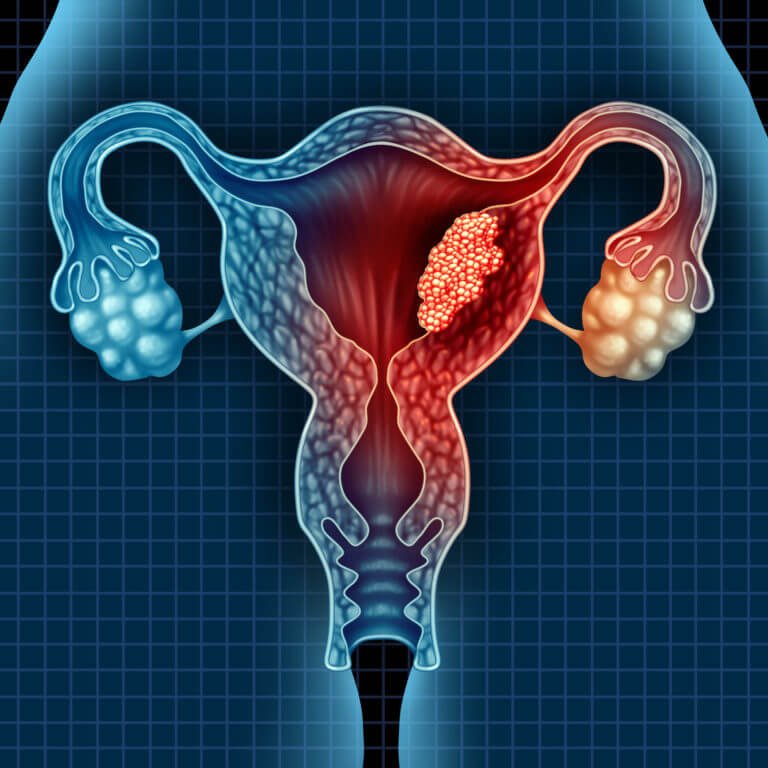






Gynaecological Cancer Treatment in Ahmedabad

gynecological problems

What is Gynaecological Cancer Treatment?

Gynaecological Cancer Treatment involves diagnosing and managing cancers that affect a woman’s reproductive organs, such as the uterus, cervix, ovaries, vagina, and vulva. Treatment begins with tests like ultrasound, biopsy, Pap smear, and imaging scans to identify the type and stage of cancer. Based on the results, doctors create a personalized treatment plan that may include Surgery, chemotherapy, radiation therapy, hormon therapy, targeted therapy For early-stage cancers, minimally invasive surgeries and targeted medicines can offer faster recovery. In advanced cases, combined treatments help shrink the tumor, control symptoms, and prevent cancer from spreading. The goal of Gynaecological Cancer Treatment is to ensure effective care, protect reproductive health, and improve long-term survival and quality of life.

What Are

Common Signs & Symptoms Of Gynaecological Cancer

Not every symptom means cancer—but if something feels “off” and keeps coming back, it’s worth checking out. These are some of the most common warning signs:

Blood In the Urine

Unusual bleeding

If you’re bleeding between periods, after sex, or after menopause, don’t ignore it. It’s one of the most common early signs of uterine or cervical cancer.

pain in the lower abdomen or Cramping

Pain in your lower belly or pelvis

Constant cramps or pain that doesn’t go away and isn’t linked to your monthly cycle could be a red flag, especially in ovarian cancer.

Untitled design (59)

Bloating or feeling full quickly

If you’re feeling bloated most days, or you lose your appetite or feel full after just a few bites, it might be more than just digestion. Ovarian cancer can cause these symptoms.

Changes in vaginal discharge

Changes in vaginal discharge

Any sudden change in discharge—especially if it’s watery, foul-smelling, or has blood—should be checked.

Changes in bowel habits​like diarrhea

Itching, burning, or skin changes around the vulva

If you notice a sore that doesn’t heal, a lump, or thickened, discoloured skin around your genital area, don’t wait. These could be early signs of vulvar cancer.

Changes in urination​

Pain during sex or urination

Discomfort during intercourse or while peeing can sometimes point to vaginal or cervical cancer, especially if it’s new or gets worse over time.

If you’re experiencing any of these symptoms—especially if you’re at higher risk—don’t ignore them. Early detection saves lives.

Dr. Mihir Shah with Patient

Getting a correct and complete diagnosis is the first step in crafting a treatment plan that’s uniquely tailored to your needs — with clarity, compassion, and care.

How We Diagnose Gynaecological Cancer ?

Dr. Mihir Shah starts with a careful conversation, listening to your symptoms, medical history, and any changes you may have noticed in your body. Depending on what we find, several tests may be used to pinpoint the diagnosis:

  • Pelvic Exam – a physical examination to feel for any lumps or abnormalities in the uterus, ovaries, cervix, or other pelvic organs
  • Ultrasound – uses sound waves to create images of the pelvic organs and check for cysts, tumors, or changes in the uterine lining.
  • Pap Smear & HPV Testing – commonly used to screen for cervical cancer by checking for abnormal cells on the cervix.
  • Colposcopy – if a Pap test shows abnormalities, this follow-up test uses a magnifying device to take a closer look at the cervix
  • Biopsy – a small sample of tissue is taken from the cervix, uterus, ovary, or other affected area and sent to the lab to confirm whether cancer is present and, if so, what type.
  • CT, MRI, or PET Scans – these imaging tools help us understand the size, location, and possible spread of the tumor
  • Blood Tests (like CA-125) – can help detect certain tumor markers, especially in ovarian cancer, though not used alone for diagnosis.


Stages of Gynaecological Cancer – What They Mean for You

At Dr. Mihir R. Shah’s Hospital, we believe understanding the stage of gynaecological cancer is the first step toward the right care. Staging helps us see how far the cancer has spread and guides us in creating a treatment plan that’s tailored just for you. Whether it affects the uterus, ovaries, cervix, vagina, or vulva, knowing the stage gives us—and you—a clearer picture of what’s ahead and how we’ll face it together.

Stage 0

Non-invasive (DCIS – ductal carcinoma in situ)

At this earliest stage, abnormal cells are found only on the surface — they haven’t grown into deeper tissue or spread elsewhere.
It’s like catching a problem right at the start — before it becomes cancer in the traditional sense. With early treatment, it can often be completely removed or reversed.

Stage I

Cancer is still in the organ where it started

The cancer has developed, but it’s contained — whether in the uterus, ovaries, cervix, vagina, or vulva. It hasn’t moved to nearby tissues or lymph nodes.
This is still a localized issue. We often treat it successfully with surgery or a combination of treatments.

Stage II

It’s spread to nearby areas, like the cervix or pelvic tissues

Now the cancer is moving locally — growing into surrounding pelvic structures, but still within the general area where it began.
We’re still dealing with a regional problem, and we have clear treatment strategies to manage it.

Stage IIl

It’s moved into the lymph nodes or other nearby organs


At this point, the cancer may have reached the lymph nodes or spread to nearby organs like the bladder, rectum, or lower vagina.
This tells us the cancer is more advanced, but we often respond with a coordinated plan that includes surgery, chemotherapy, and/or radiation — depending on your unique case.

Stage IV

Cancer has spread to other parts of the body (like the lungs, liver, or bones)

This is the most advanced stage. The cancer has spread beyond the pelvic area to distant organs.
While curing it may be more difficult, we focus on managing the disease, relieving symptoms, and maintaining the best possible quality of life. You’re not alone — we walk this journey with you, every step of the way.

Treatments Of
Gynaecological Cancer

Treatment is based on the type of cancer, how advanced it is, and your general health. At Dr. Mihir Shah’s clinic, your treatment plan is made just for you. Here are the main treatment types:

Surgery

(01)

In many cases, surgery is the first step. This might involve removing the tumour, uterus (hysterectomy), ovaries, fallopian tubes, or lymph nodes. For some early-stage cancers, we may be able to preserve fertility.

Radiation Therapy

(02)

This uses powerful beams to kill cancer cells. It’s often used for cervical, vaginal, or vulvar cancer, either alone or with other treatments.

Chemotherapy

(03)

These are medicines that travel through your bloodstream to attack cancer cells. Often used for ovarian cancer or if the disease has spread.

Hormone Therapy

(04)

Some uterine cancers respond to hormone-blocking medications, which can help slow their growth.

Targeted Therapy

(05)

This helps your immune system recognize and attack cancer cells. It’s used in selected cases, often after genetic testing.

Immunotherapy

(06)

This treatment helps your own immune system recognize and attack cancer cells. It can be very effective in certain advanced cases.

Why Early Detection Matters?

Most gynaecological cancers can be treated if they’re caught early—but too often, they’re found late because symptoms are missed or dismissed.

Regular pelvic exams, Pap smears, and HPV tests can catch problems early. Cervical cancer is one of the easiest to detect if you’re getting checked regularly. If it’s been a while, take this as your sign to book that appointment.

Ovarian and uterine cancers don’t always have clear screening tests, but knowing your body and speaking up when something feels off can help catch them early too.

Your body knows. Listen to it.

Doctor explain
Reach out to Dr. Mihir Shah for expert care

If you’ve had a nagging cough, unexplained weight loss, chest pain, or feel unusually tired for weeks, it’s time to talk to a specialist.
Even if your symptoms turn out to be something minor, it’s always better to be safe.

Yes. Cervical cancer can still develop after menopause, so regular screenings are important, even if you’re not having periods anymore.

HPV is very common, and while most cases go away on their own, certain types can cause cervical cancer. That’s why testing and vaccination matter.

Depending on your diagnosis and treatment plan, yes—there are options. Fertility-sparing treatments and egg freezing are things we can discuss before starting therapy.

No, but if it’s frequent, persistent, and combined with weight loss or changes in appetite, it’s worth checking out.

Yes, and you’re not alone. But please know we’re here to make you feel safe, respected, and supported. Your comfort is just as important as your care.

Have a Question?

Dr. Mihir R. Shah addresses the most common questions to help you understand the procedure, recovery, and what to expect—so you can move forward with confidence and clarity.

Take Control of Your Health
Compassionate Care, Backed by Science
Dr. Mihir Shah is here to help you navigate your diagnosis with strength, clarity, and hope. You deserve the best care possible, and we’re here for you.
Dr.Mihir shah-happy client
Scroll to Top