
Lung Cancer Treatment in Ahmedabad

Lung Cancer

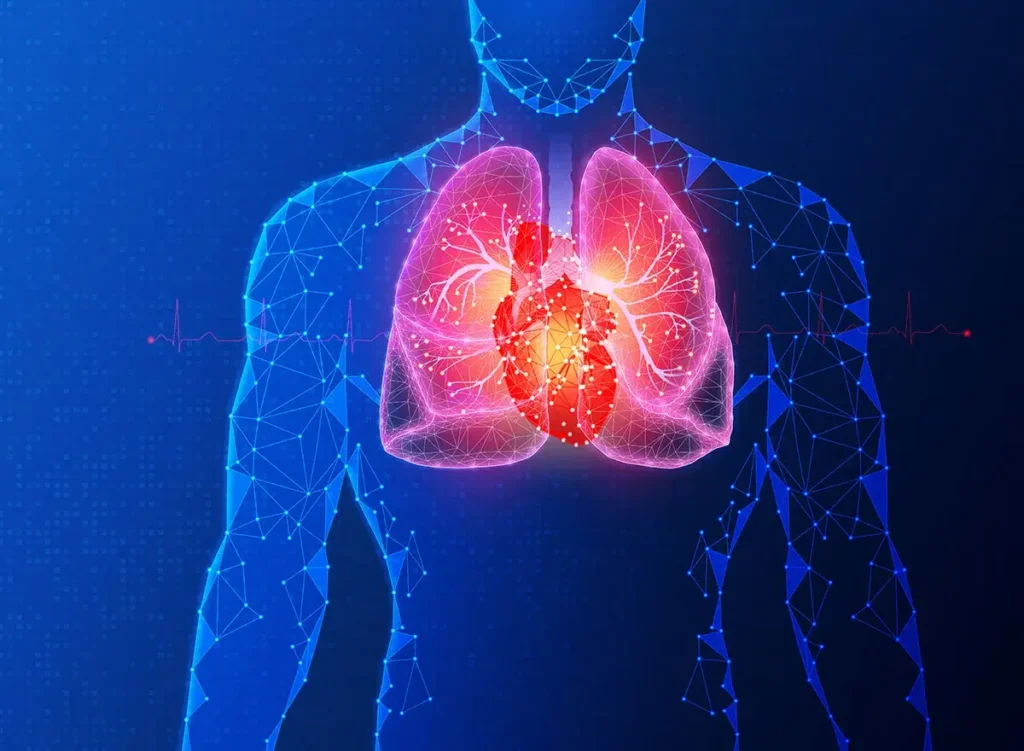
What is Lung Cancer Treatment?

Lung Cancer Treatment includes different methods like surgery, chemotherapy, radiation therapy, targeted therapy, and advanced immunotherapy to help remove or control the cancer. Doctors choose the best treatment based on the type of lung cancer, tumor size, stage, and the patient’s overall health. Early detection through screening improves the chances of successful recovery. Specialists use scans, blood tests, and biopsies to understand the condition and create an accurate treatment plan. Regular follow-ups are important to monitor progress and maintain long-term health.

What Are

Common Signs & Symptoms Of Lung Cancer

Lung cancer doesn’t always cause symptoms in the early stages. But as it progresses, the following signs may appear:

sore throat

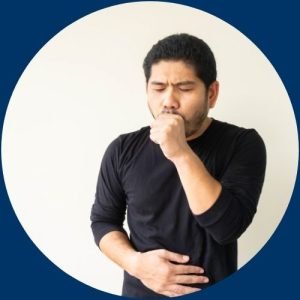
Persistent cough

If you’ve had a cough that won’t go away for weeks, or one that’s getting worse, it’s time to get it checked.

Coughing in blood

Coughing up blood

Even a small amount of blood in your spit should be taken seriously and looked at right away.

cough problem

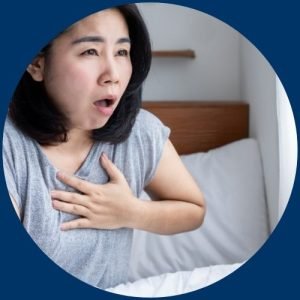
Shortness of breath

Feeling out of breath doing everyday things like climbing stairs or walking short distances can be a red flag.

Chest Pain when Breathing Deeply

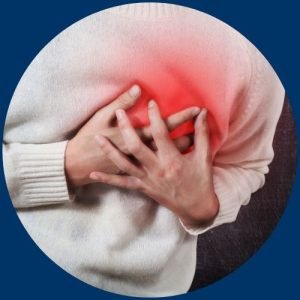
Chest pain

Discomfort or pain in the chest—especially when breathing deeply, coughing, or laughing—may be a symptom.

Hoarseness effct like voice changes

Hoarseness or voice changes

A raspy voice or changes in how you sound can be caused by a tumor pressing on nearby nerves.

Recurring infections in Lung

Recurring infections

Frequent bouts of bronchitis or pneumonia could be linked to an underlying issue in the lungs.

weight loss sign of cancer

Sudden or Unexplained Weight Loss

Losing weight without trying, especially if you also feel tired all the time, could signal something more serious.

If you’re experiencing any of these symptoms—especially if you’re at higher risk—don’t ignore them. Early detection saves lives.

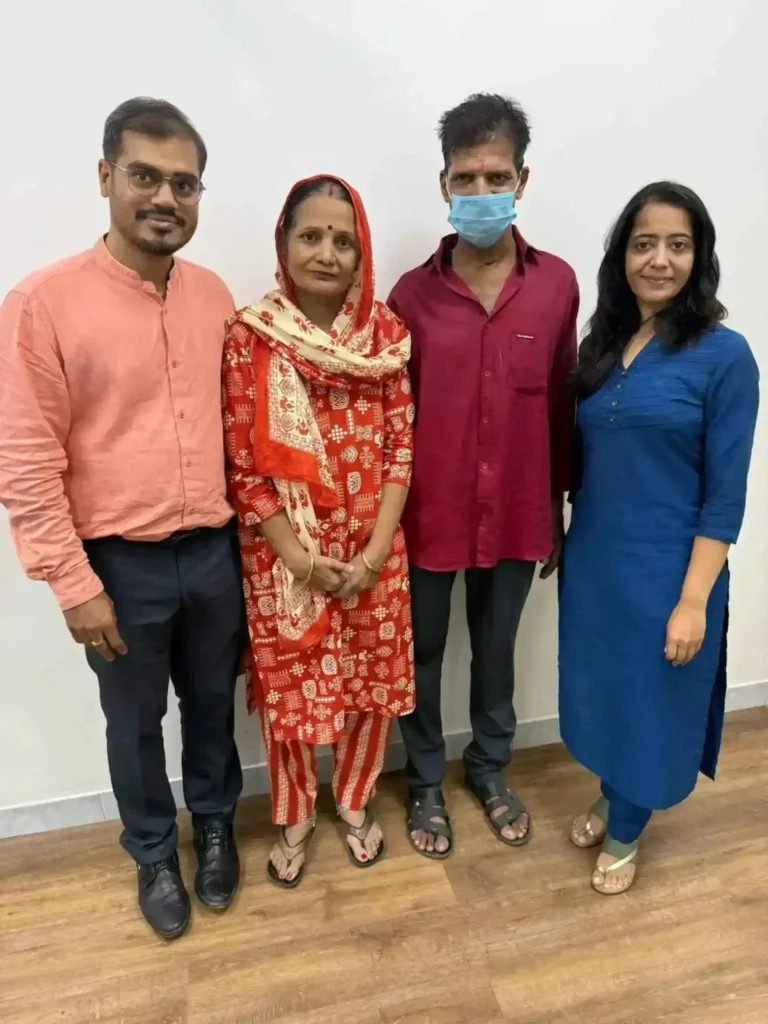
Dr. Mihir Shah with Patient

How We Diagnose Lung Cancer ?

Dr. Mihir Shah begins with a comprehensive physical exam and carefully reviews your symptoms, such as a persistent cough, chest pain, or shortness of breath. If lung cancer is suspected, you may be advised to undergo:

  • Chest X-ray – often the first imaging test to look for any abnormal masses or nodules in the lungs
  • CT Scan (Computed Tomography) – provides detailed cross-sectional images of your lungs to identify the size, shape, and location of any tumors
  • PET Scan (Positron Emission Tomography) – helps determine if the cancer has spread to lymph nodes or other organs
  • Bronchoscopy – a thin, flexible tube is inserted through the nose or mouth into the lungs to collect tissue or fluid samples.
  • Needle Biopsy – a sample of lung tissue is taken using a thin needle guided by imaging, to confirm whether the tumor is cancerous and determine its type.
  • Sputum Cytology – if you’re coughing up mucus, it may be tested under a microscope for cancer cells

Getting an accurate diagnosis is essential for developing a personalized treatment plan that’s right for you.

Stages of Lung Cancer

At Dr. Mihir R Shah’s Hospital, Staging determines the extent of cancer spread and guides treatment. It typically includes:

Stage 0

Non-invasive (DCIS – ductal carcinoma in situ)

At this point, the cancer is just beginning. The abnormal cells are only in the top layer of lung tissue — they haven’t moved or invaded deeper structures.
Think of it as a warning light — a very early signal. We’ve caught it before it could turn into something more serious. And that gives us time, options, and hope.

Stage I

Tumor is small and only in one part of the lung

This is an early stage of lung cancer. The tumor is still small, and it hasn’t spread beyond the lung.
It’s like a small fire we found early — contained and treatable. With the right treatment, many people do very well at this stage.

Stage II

Cancer has spread to nearby lymph nodes

Here, the tumor is either a bit larger or has started to move into nearby lymph nodes — the body’s “checkpoints” that filter cells and trap invaders.
The cancer is becoming more active, but it’s still localized. We still have powerful treatment tools, and we know how to use them.

Stage IIl

Larger tumor, or spread to nearby lymph nodes

At this point, the cancer has grown or reached more lymph nodes in the middle of the chest (called the mediastinum).
It hasn’t spread to other organs yet, but it’s more complex. We often bring together several treatments — surgery, radiation, and chemotherapy — to give the best chance for control. It’s a more serious fight, but still one we face with strategy and strength.

Stage IV

Cancer has spread to other parts of the body (like brain, bones, or liver)

This is the most advanced stage. The cancer has moved beyond the lungs to other parts of the body.
But this isn’t the end of the road — it’s the start of a new path. One focused on quality of life, controlling symptoms, and living meaningfully. We’re not giving up — we’re adapting and supporting you every step of the way.

Ethical Communication Systems

At every stage, what we say — and how we say it — matters just as much as what we treat.
Patients and families deserve clear, compassionate, and honest conversations. Not just about the diagnosis — but about the journey ahead.
That’s how we care not only for the body, but for the whole person.
Let me know if you’d like this styled for a website, brochure, or patient education guide.

Treatments Of
Lung Cancer

Treatment is based on the type of cancer, how advanced it is, and your general health. At Dr. Mihir Shah’s clinic, your treatment plan is made just for you. Here are the main treatment types:

Surgery

(01)

If the cancer is in an early stage, it may be possible to remove the tumor or part of the lung. In some cases, the whole lung may need to be removed. You’ll be guided through every step and supported through recovery.

Radiation Therapy

(02)

This uses targeted beams to destroy cancer cells. It’s often used when surgery isn’t an option or after surgery to remove remaining cancer cells.

Chemotherapy

(03)

These are cancer-fighting drugs that can slow or stop the cancer from growing. Chemotherapy might be used before surgery, after surgery, or on its own if the cancer has spread.

Targeted Therapy

(04)

Some lung cancers have specific gene mutations. If yours does, special medications can block those changes and stop the cancer cells from growing.

Immunotherapy

(05)

This treatment helps your own immune system recognize and attack cancer cells. It can be very effective in certain advanced cases.

Reach out to Dr. Mihir Shah for expert care

If you’ve had a nagging cough, unexplained weight loss, chest pain, or feel unusually tired for weeks, it’s time to talk to a specialist.
Even if your symptoms turn out to be something minor, it’s always better to be safe.

Have a Question?

Dr. Mihir R. Shah addresses the most common questions to help you understand the procedure, recovery, and what to expect—so you can move forward with confidence and clarity.

Yes. Many non-smokers are diagnosed every year. Other causes include pollution, radon gas, and genetics.

Yes. It depends on the stage and type, but there are many treatment options that can help you live longer and better.

It varies. Some people may only need a few weeks of treatment, others may need several months. Every case is different.

Regular check-ups and scans are needed to monitor your recovery and check for any signs of the cancer coming back.

Not always. We’ll explore all options and recommend what’s best for your condition and lifestyle.

Take Control of Your Health
Compassionate Care, Backed by Science
Dr. Mihir Shah is here to help you navigate your diagnosis with strength, clarity, and hope. You deserve the best care possible, and we’re here for you.
Dr.Mihir shah-happy client
Scroll to Top