

Dr.Mihir Shah

Best Head and Neck Cancer Surgeon in Ahmedabad

Dr. Mihir Shah Expert in Head & Neck Cancer Surgery

head and neck cancer info

Dr. Mihir Shah works as a Consultant Head & Neck and Onco Surgeon at Shalby Hospital in Ahmedabad. Dr. Shah has been working in Head & Neck Oncology for more than 10 years and has successfully treated more than 3,000 patients, including more than 500 major head and neck cancer procedures.

He is noted for putting his patients first, combining superior surgical skills with caring for them. Dr. Shah has been extensively involved in the care of complicated tumors involving the oral cavity, thyroid, salivary glands, larynx, and skull base. Many patients and coworkers trust and appreciate him because he is committed to giving them complete, evidence-based, and moral care.           

Professional Experience

0 +

Treated patient

0 +

Major Head and Neck Surgery

0 +

Years Of Experience

What Are

Common Signs & Symptoms Of head and neck Cancer

Twisted, swollen and tortuous veins are often blue or purple. They appear just below the surface of the skin on your legs, ankles and feet.

sore throat

Persistent Sore Throat

A sore throat that doesn’t go away after a few weeks, even with antibiotics or other treatments, can be a warning sign—especially if there’s no clear cause like a cold or flu. It may feel scratchy, painful, or just uncomfortable and may worsen with swallowing.

Hoarseness effct like voice changes

Hoarseness or Voice Changes

A change in your voice—such as hoarseness, raspy tone, or a weaker voice—lasting more than 2 to 3 weeks may indicate cancer in the larynx (voice box) or surrounding areas. This symptom is especially important in people who don’t have a cold or aren’t overusing their voice.

food stuck in body

Difficulty Swallowing (Dysphagia)

This can feel like food is “stuck” in your throat or chest, or may be painful. It might cause coughing during eating or make it hard to swallow solid foods. This symptom is often linked to cancers in the throat or esophagus and should not be ignored.

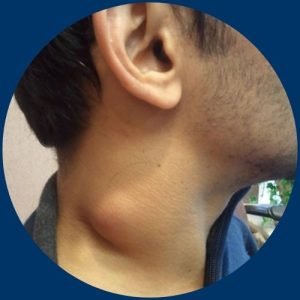
Swelling in the Neck

Lump or Swelling in the Neck

A firm, painless lump in the neck is often one of the first signs of head and neck cancer. It could be a swollen lymph node due to cancer spreading from areas like the mouth, throat, or larynx. Lumps that don’t shrink over a few weeks should always be checked.

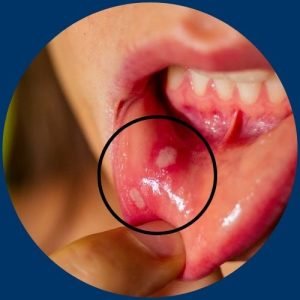
Mouth Sore

Mouth Sores That Don’t Heal

A sore or ulcer in the mouth that lasts longer than 2 weeks and doesn’t heal—even if it’s not painful—can be an early sign of oral cancer. These sores may bleed, become raised, or appear as rough patches inside the mouth, lips, or on the tongue.

Ear Pain

Ear Pain (Often on One Side)

Ear pain without any signs of an ear infection, especially when combined with throat discomfort or trouble swallowing, can signal a tumor affecting the throat or surrounding nerves. This type of “referred pain” is often overlooked.

If any of these symptoms last more than 2–3 weeks, especially in people who smoke, drink alcohol heavily, or are exposed to HPV, it’s important to seek medical evaluation as soon as possible.

Dr. Mihir Shah with Patient

How We Diagnose head and neck cancer ?

Once we understand what you’re experiencing, we use a few key steps to get a clear and accurate diagnosis:

  • Physical Exam – We carefully examine the mouth, throat, neck, and lymph nodes.
  • Endoscopy – A small, flexible camera helps us look deeper inside the nose, throat, or voice box.
  • Imaging Tests to see inside the body:
    • CT Scan – Shows detailed images of the head and neck
    • MRI – Useful for soft tissues like the tongue or throat
    • PET Scan – Detects if cancer has spread
  • Biopsy – A small tissue sample is taken to confirm if cancer is present.
  • HPV Testing – Some throat cancers are linked to the human papillomavirus, which can affect treatment choices.

Each step helps us understand your cancer — so we can create a treatment plan that’s precise, personal, and focused on the best possible outcome.

Stages of head and neck Cancer

At Dr. Mihir R. Shah’s Hospital, staging determines the extent of cancer spread and guides treatment. Head and neck cancer is staged based on how far it has spread, within the original site (such as the mouth, throat, or voice box), to nearby lymph nodes, or to distant parts of the body. Knowing the stage helps us choose the most effective treatment and give you a clear, honest sense of what comes next.

Stage 0

Very early / non-invasive cancer

At this point, the cancer is only in the very top layer of cells. It hasn’t grown deeper or spread. This is called carcinoma in situ — a warning light, not a fire.

It’s our opportunity to act early, when treatment is often simple and very effective. Surgery or a targeted procedure may be all that’s needed.

Think of it as a whisper from your body — one we’re listening to closely.

Stage I

Cancer is small and still in one place

The tumor is small and has not spread to lymph nodes or other parts of the body. It’s confined to one area — like the voice box, tongue, or tonsil — depending on where it began.

At this stage, we have a strong chance of curing it. Treatment might include surgery, radiation, or both. For some, voice and swallowing may be affected — but we plan for healing in all forms.

We act early, with a plan that’s both precise and hopeful.

Stage II

Cancer has grown or spread to nearby lymph nodes

The tumor may be growing — and may affect movement or function in the area, such as speech, breathing, or swallowing. Still, it’s usually only in the original site, or just beginning to involve nearby areas.

We might combine treatments: surgery, radiation, and sometimes chemotherapy. We also plan for recovery of function — because how you live after treatment matters deeply.

We stay focused — on removing the cancer, and restoring your life.

Stage IIl

Cancer has spread to nearby major blood vessels or many lymph nodes

Here, the cancer may have grown deeper into tissue or spread to nearby lymph nodes, but it hasn’t gone far.

This stage often requires more intensive treatment — a combination of surgery, radiation, chemotherapy, or newer targeted options. Recovery may take longer, and support is key — including speech and swallowing therapy.

It’s a serious step, but one we walk together, with care around every corner.

Stage IV

Cancer has spread to distant organs, such as the liver, lungs, or abdominal lining

This stage can mean several things: the tumor is large, it has spread to multiple lymph nodes, or it has moved to other parts of the body (like the lungs or bones). Not all stage IV cancers are the same.

For some, treatment can still aim to cure. For others, it focuses on controlling the cancer, easing symptoms, and helping you live fully for as long as possible.

We use everything we have — advanced therapies, clinical trials, and heartfelt support.

Even when cure isn’t the goal, comfort, dignity, and connection always are.

Every Stage Deserves Clarity and Compassion

Whether your journey is just beginning or already underway — you are more than a diagnosis.

You are a voice, a story, a life that matters deeply.

We’re here to help you understand, plan, and heal — with honesty, compassion, and the expertise you deserve.

Treatments Of
Head and Neck Cancer

There’s no one-size-fits-all solution when it comes to cancer. Your treatment will depend on your cancer type, stage, age, and overall health. Dr. Mihir Shah works closely with each patient to choose the safest and most effective option.

Surgery

(01)

For many head and neck cancers, surgery is the first step toward recovery.

  • Removes the tumor and, when needed, nearby lymph nodes or tissue.
  • Reconstructive surgery may be used to restore function and appearance.
  • Minimally invasive or robotic techniques can support faster healing.

Radiation Therapy

(02)

Radiation uses high-energy beams to kill cancer cells with precision.

  • Often used after surgery to destroy remaining cancer cells.
  • Can be the main treatment for certain cases.
  • Techniques like IMRT target the tumor while protecting nearby healthy tissue.

Think of it as a focused tool that attacks the cancer while preserving what’s most important.

Chemotherapy

(03)

Chemotherapy uses powerful drugs to fight cancer throughout the body.

  • May be given before or after surgery, or combined with radiation.
  • Common for more advanced or aggressive cancers.
  • Drugs like cisplatin, 5-FU, and taxanes are often used.

While it affects the whole body, it plays a critical role in stopping cancer’s spread.

Targeted Therapy

(04)

This treatment focuses on the specific features of your cancer cells.

  • Common drug: Cetuximab, used for cancers with EGFR protein.
  • Often used with radiation or when surgery isn’t possible.
  • Typically causes fewer side effects than chemotherapy.

It’s precise, focused treatment based on what makes your cancer unique.

Immunotherapy

(05)

Helps your immune system recognize and destroy cancer cells.

  • Drugs like nivolumab and pembrolizumab are used for advanced or recurrent cancers.
  • Especially effective in cancers with certain immune markers.
  • Can offer a powerful option when other treatments aren’t enough.

Your own body becomes part of the fight.

Rehabilitative Care

(06)

Treatment may affect how you speak, eat, or breathe — and we’re here to help you recover.

  • Speech and swallowing therapy
  • Nutritional and physical therapy support
  • Emotional and psychological care

Healing involves your whole self, not just the cancer.

Palliative Care

(07)

When a cure isn’t possible — or even during treatment — palliative care can improve comfort and quality of life.

  • Manages symptoms like pain, difficulty swallowing, or fatigue
  • Supports emotional well-being for you and your family
  • Can be combined with other treatments at any stage

You deserve dignity, comfort, and care — always.

Reach out to Dr. Mihir Shah for expert care

If you or someone you love is experiencing these symptoms or has risk factors, don’t wait. Early action can make all the difference. Dr. Mihir Shah offers expert evaluation and personalized care for every patient. Book an appointment today to get the answers and care you deserve.

Have a Question?

Dr. Mihir R. Shah addresses the most common questions to help you understand the procedure, recovery, and what to expect—so you can move forward with confidence and clarity.

That’s a valid concern. Because these cancers affect areas involved in talking, swallowing, and appearance, some changes are possible. But here’s the good news: we have support systems in place.

  • Speech and swallowing therapists can help you regain or adapt your abilities.
  • Reconstructive surgery may be offered to restore appearance or function.
  • Nutritionists can help you stay strong and healthy during treatment.

Our goal is not just to treat the cancer — but to help you live fully during and after treatment.

Treatment affects everyone a little differently. Some common side effects include:

  • Dry mouth
  • Sore throat or difficulty swallowing
  • Fatigue
  • Changes in taste
  • Swelling or stiffness in the jaw or neck
  • Weight loss or nutritional challenges

We’ll be checking in with you regularly to manage these side effects and make you as comfortable as possible. You're not in this alone.

It depends on the type and stage of cancer, and the treatment plan we create. Some people may have surgery followed by several weeks of radiation. Others might go through chemo or immunotherapy over months.
You’ll always know what to expect — and we’ll be with you every step of the way.

Head and neck cancer doesn’t just affect the body — it affects the whole person. Feeling anxious, scared, or overwhelmed is completely normal.

We can connect you with:

  • Psychologists or counselors
  • Support groups (including for survivors and caregivers)
  • Social workers or palliative care specialists

You don’t have to carry the emotional weight alone.

While not all cases are preventable, there are steps you can take to lower your risk:

  • Quit tobacco and limit alcohol
  • Get the HPV vaccine
  • Practice good oral hygiene
  • Use sunscreen or lip balm with SPF
  • Avoid prolonged exposure to workplace chemicals if possible

Prevention is about making small, powerful choices over time — and it’s never too late to start.

Yes — and yes. Getting a second opinion can give you peace of mind or even reveal new options. Clinical trials might offer access to cutting-edge treatments, especially for advanced or rare cases.
It’s your right to explore every option. We’ll help you navigate them.

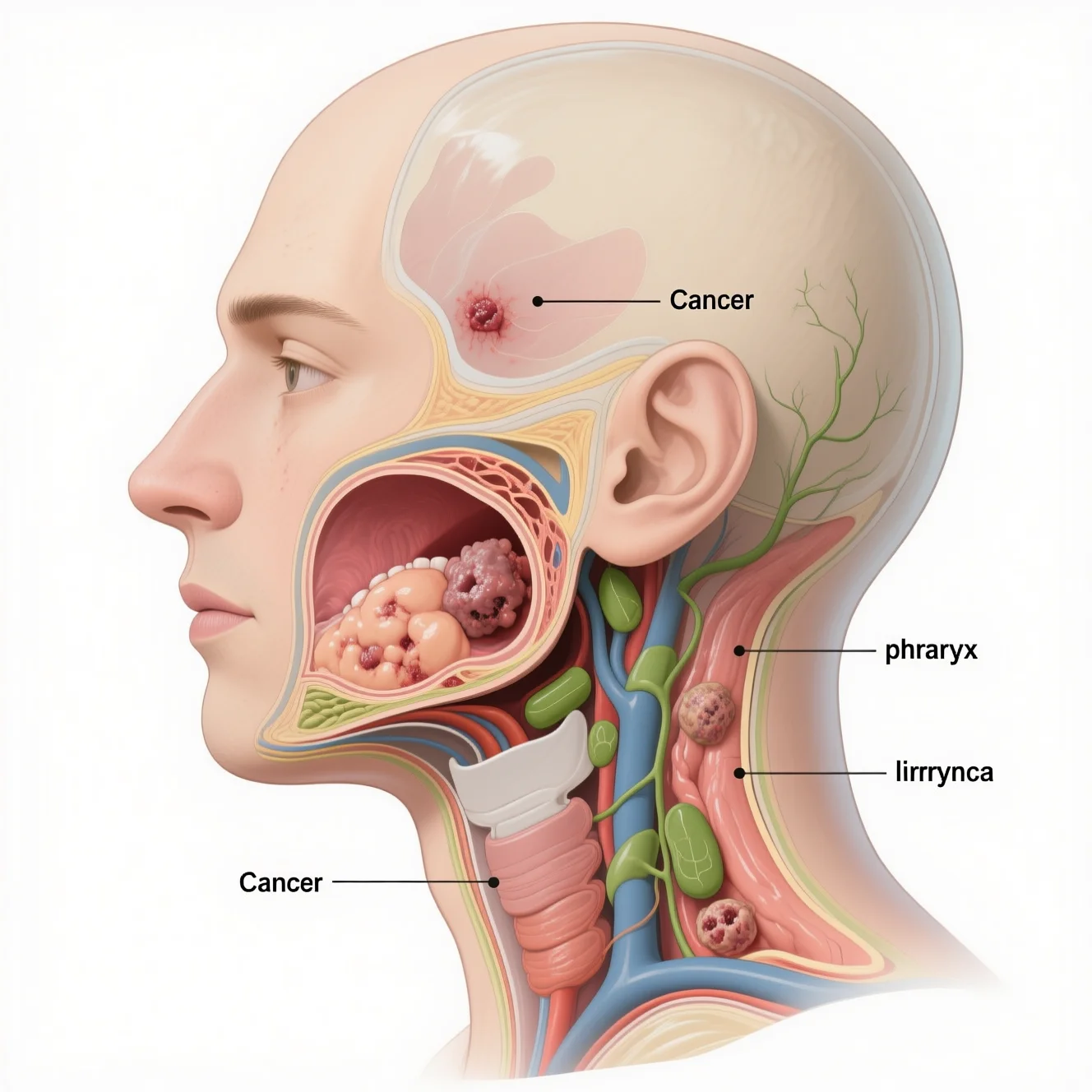
Head and neck cancer isn’t just one thing. It’s a group of cancers that can start in the mouth, throat, voice box (larynx), sinuses, or salivary glands. The most common type is called squamous cell carcinoma, which begins in the cells lining these areas.

Each type is a little different — but you're not expected to figure that out on your own. We're here to guide you through it.

If you’ve noticed something that doesn’t seem quite right, trust that instinct. Some symptoms that shouldn't be ignored include:

  • A sore in your mouth or throat that hasn’t healed in 2 weeks
  • A lump in your neck or jaw
  • Trouble swallowing or persistent hoarseness
  • Unexplained ear pain
  • White or red patches inside your mouth

If anything feels “off,” talk to a doctor. Catching it early can make a big difference.

It’s a hard question — and one that many people ask. The truth is, head and neck cancer has a few known risk factors, such as:

  • Smoking or chewing tobacco
  • Drinking alcohol (especially along with tobacco use)
  • Certain viruses like HPV (linked to throat cancers) and EBV (linked to nasopharyngeal cancer)
  • Sun exposure (especially for lip cancer)
  • Poor oral hygiene or long-term exposure to certain chemicals

That said, not everyone with these risk factors gets cancer and some people get it without any of them. It’s not your fault.

Yes, in many cases it can. If the cancer is found early, treatments like surgery or radiation can often eliminate it completely. Even in more advanced stages, there are treatments that can control it, shrink it, and in some cases, send it into remission.
Everyone’s journey is different — but there is hope at every stage.

Diagnosis usually involves a few steps:

  • A physical exam of your mouth, throat, or neck
  • Imaging like CT, MRI, or PET scans
  • A biopsy (where a small tissue sample is taken)
  • Sometimes, an endoscopy to look deeper into the throat or voice box

This helps your doctor understand what kind of cancer you have, how advanced it is, and what treatment will work best.

You won’t be facing this alone. Together with your care team, you’ll explore options like:

  • Surgery – to remove the tumor
  • Radiation therapy – to destroy cancer cells with high-energy beams
  • Chemotherapy – strong drugs that fight cancer throughout the body
  • Targeted therapy – medications that focus on the cancer’s specific traits
  • Immunotherapy – helps your immune system fight the cancer

Your treatment plan will be designed just for you — based on your cancer type, your health, and your goals.

Take Control of Your Health
BOOK Your Appointment Today
Dr. Mihir Shah is here to help you navigate your diagnosis with strength, clarity, and hope. You deserve the best care possible, and we’re here for you.
Dr.Mihir shah-happy client
Scroll to Top