


Pancreatic Cancer Treatment in Ahmedabad

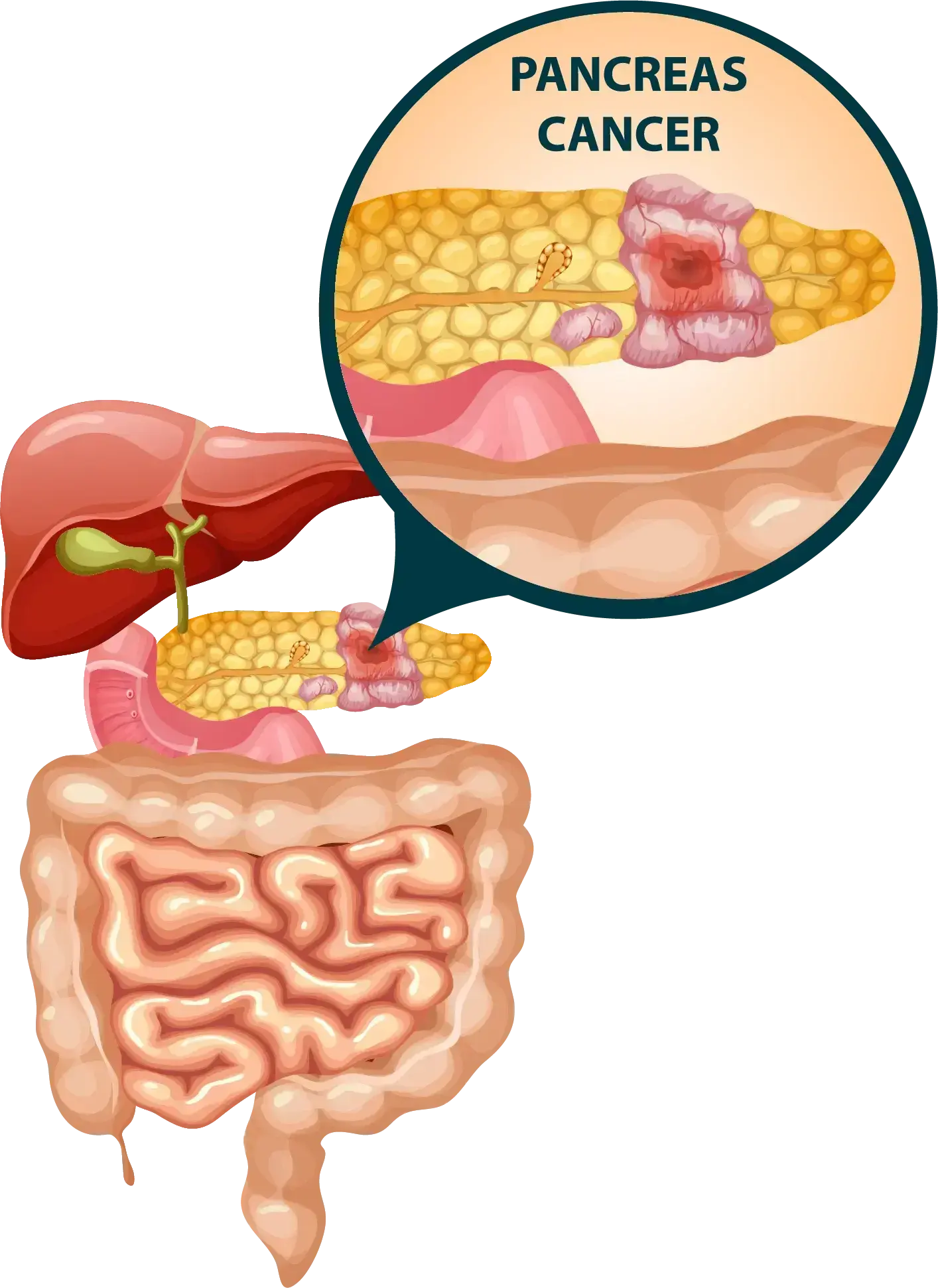
Pancreatic cancer

What is Pancreatic Cancer Treatment ?

Pancreatic Cancer Treatment focuses on removing the tumor and stopping its spread using surgery, chemotherapy, radiation, and targeted therapies. Doctors decide the treatment plan based on the stage and health condition of the patient. Advanced imaging tests and biopsies help identify the size and location of the tumor, allowing specialists to create a personalized treatment plan .Early diagnosis helps improve recovery and survival chances.

What Are

Common Signs & Symptoms Of Pancreatic Cancer

Twisted, swollen and tortuous veins are often blue or purple. They appear just below the surface of the skin on your legs, ankles and feet.

Belly or Back pain

Ongoing Belly or Back Pain

A dull pain in the upper abdomen that sometimes spreads to your back could be an early warning sign. It might feel worse when you lie down or after eating.

jaundice sign

Yellowing of the Skin or Eyes (Jaundice)

One of the most noticeable signs is jaundice. This happens when a tumor blocks the bile duct, causing a buildup that turns the skin and eyes yellow.

weight loss sign of cancer

Unexplained Weight Loss

If you’re losing weight without trying, and you’re also feeling weak or tired, it’s worth getting checked—especially if it’s paired with other symptoms.

Changes in vaginal

Loss of Appetite and Digestive Problems

Feeling full quickly, having nausea, or noticing pale, greasy stools that float can all be signs that your pancreas isn’t working properly.

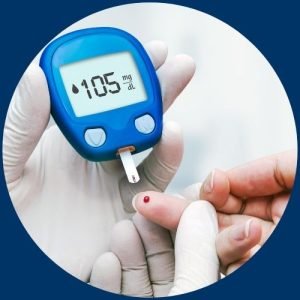
Diabetes machine for checkup

Sudden-Onset Diabetes

If you’re newly diagnosed with diabetes and don’t have a family history or typical risk factors, your doctor might want to investigate further.

body extermly tired

Feeling Very Tired

Cancer can drain your energy, especially when your body isn’t digesting food or absorbing nutrients the way it should.

If you’re experiencing any of these symptoms—especially if you’re at higher risk—don’t ignore them. Early detection saves lives.

Dr. Mihir Shah with Patient

How We Diagnose Pancreatic Cancer ?

At Dr. Mihir Shah’s Hospital Pancreatic cancer is often hard to detect early, as symptoms like fatigue, weight loss, or digestive changes may be subtle. Dr. Mihir Shah begins with a detailed consultation and physical exam, followed by the most suitable tests based on your case.

What We May Use:

  • Blood Tests – including liver function and CA 19-9 (a tumor marker)


  • Imaging – CT scan, MRI, PET scan, or endoscopic ultrasound to locate and assess tumors


  • Biopsy – tissue sampling to confirm diagnosis


  • Genetic Testing – if cancer is found, to guide targeted treatment


With the right tools and a thoughtful approach, we aim to detect pancreatic cancer as early and accurately as possible — so you get answers and a clear treatment path.

Stages of Pancreatic Cancer

At Dr. Mihir R Shah’s Hospital, Staging determines the extent of cancer spread and guides treatment. Pancreatic cancer is staged based on how far it has spread — both within and beyond the pancreas. Knowing the stage helps us choose the most effective treatment and give you an honest sense of what comes next..It typically includes:

Stage 0

Very early / non-invasive cancer

At this point, abnormal cells are found only in the lining of the pancreatic ducts. They haven’t yet turned into invasive cancer.

It’s rare to catch it this early — but when we do, treatment can be highly effective, often involving surgery.

Stage I

Cancer is small and still inside the pancreas

The tumor is limited to the pancreas and hasn’t spread to nearby lymph nodes or organs.

This is considered early-stage cancer. If surgery is possible, it offers the best chance for cure — often followed by chemotherapy to reduce the risk of recurrence.

Stage II

Cancer has grown or spread to nearby lymph nodes

The tumor may be larger or starting to affect nearby lymph nodes, but it hasn’t spread to major blood vessels or distant organs.

Treatment typically includes a combination of surgery (if still operable), chemotherapy, and possibly radiation. It’s more serious, but still potentially curable in some cases.

Stage IIl

Cancer has spread to nearby major blood vessels or many lymph nodes

At this stage, the tumor may be too close to — or wrapped around — vital blood vessels, making surgery difficult or unsafe.

It’s considered locally advanced. While surgery may not be the first option, chemotherapy or radiation might shrink the tumor enough to make surgery possible later.

Stage IV

Cancer has spread to distant organs, such as the liver, lungs, or abdominal lining

This is the most advanced stage. The cancer has traveled beyond the pancreas to other parts of the body.

While curing the cancer may no longer be possible, treatment can still help manage symptoms, slow the disease, and improve quality of life. Many people continue to live meaningful, fulfilling lives with supportive care and the right treatment plan.

Every Stage Deserves Clarity and Compassion

No matter the stage, you deserve to understand what it means — and what can be done. Our team is here to walk with you through every decision, every treatment, and every step forward.

Treatments Of
Pancreatic Cancer

There’s no one-size-fits-all solution when it comes to cancer. Your treatment will depend on your cancer type, stage, age, and overall health. Dr. Mihir Shah works closely with each patient to choose the safest and most effective option.

Surgery

(01)

For early-stage cancer, surgery can sometimes remove the tumor completely. The most common procedure is called the Whipple surgery, which removes part of the pancreas and surrounding organs.

  • Whipple Procedure (pancreaticoduodenectomy)
  • Distal Pancreatectomy
  • Surgery is often the only potential cure for early-stage disease.

Radiation Therapy

(02)

This uses high-energy rays to kill cancer cells. It might be used before or after surgery, or to relieve pain in advanced stages.

  • High-energy rays used to shrink tumors and relieve symptoms.
  • Often combined with chemotherapy before or after surgery.

Chemotherapy

(03)

Chemotherapy uses powerful drugs to attack cancer cells. It can be used before surgery to shrink the tumor, or after to prevent it from coming back.

  • Drug regimens (e.g., FOLFIRINOX or gemcitabine) used to destroy cancer cells systemically.

Targeted Therapy

(04)

In some cases, medication can be used to block specific proteins that help cancer grow. These treatments are more precise and may have fewer side effects.

  • Drugs like erlotinib target specific cancer growth pathways, useful in selected patients.

Immunotherapy

(05)

For a small group of patients with specific genetic markers, this treatment helps your immune system recognize and destroy cancer cells.

  • May be effective in certain patients with specific genetic mutations (e.g., MSI-H tumors)

Palliative Care

(06)

When a cure isn’t possible, supportive care focuses on managing symptoms and improving quality of life.

  • Focuses on relieving symptoms and improving quality of life, especially in advanced stages.
Reach out to Dr. Mihir Shah for expert care

If you or someone you love is experiencing these symptoms or has risk factors, don’t wait. Early action can make all the difference. Dr. Mihir Shah offers expert evaluation and personalized care for every patient. Book an appointment today to get the answers and care you deserve.

Have a Question?

Dr. Mihir R. Shah addresses the most common questions to help you understand the procedure, recovery, and what to expect—so you can move forward with confidence and clarity.

If the tumor is still confined to the pancreas or nearby tissues, surgery may be possible. A full evaluation is needed to determine this.

It’s tricky, but certain scans and blood tests can help, especially if you're high-risk or have symptoms.

It varies, but nausea, fatigue, and digestive issues are common. Our team supports you through every step.

If you have a genetic type of pancreatic cancer, your family members might benefit from testing and early screening.

It depends on the stage and treatment. With early detection and the right care, many patients live longer than expected and maintain a good quality of life.

Take Control of Your Health
Compassionate Care, Backed by Science
Dr. Mihir Shah is here to help you navigate your diagnosis with strength, clarity, and hope. You deserve the best care possible, and we’re here for you.
Dr.Mihir shah-happy client
Scroll to Top