
Is It Possible to Have a Normal Life After Lung Cancer Treatment?
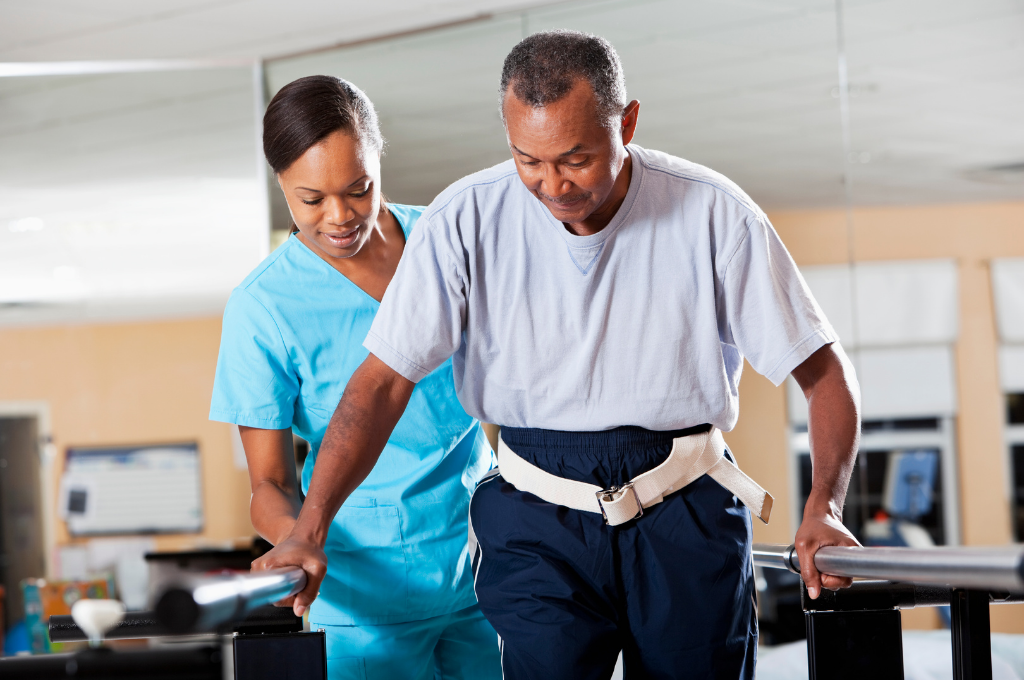
A lung cancer diagnosis changes life in many different ways. Treatment may include surgery, chemotherapy, radiation, or targeted therapy, depending on the condition. During this phase, most people experience both physical discomfort and emotional stress.
Naturally, many patients ask one important question: What happens after treatment? Will life ever feel normal again?
There is no single answer that applies to everyone. However, many people do gradually return to meaningful, active, and stable lives after treatment with time, support, and proper medical guidance.
Life After Lung Cancer Treatment: What to Expect
Once lung cancer treatment is completed, the body needs time to recover. Fatigue is very common. Some people may also experience shortness of breath, reduced stamina, or general weakness.
These effects usually improve slowly as the body heals. Doctors often refer to this recovery phase as the “new normal.”
Life may not feel the same as before, but most people gradually return to daily activities such as walking, light household work, cooking, and social interaction.
Studies also show that many lung cancer survivors maintain a stable quality of life in the long term when they follow regular follow-ups and healthy lifestyle habits.
Recovery is not only physical—it is also emotional.
Many patients feel anxiety about cancer returning or experience stress before follow-up scans. This is completely natural and commonly seen during recovery.
Support from family and friends plays a major role. Some patients also benefit from counseling or support groups where they can openly talk about their journey.
Over time, most people learn to manage these emotions and slowly regain confidence in daily life.
“Normal life” after lung cancer does not always mean going back to the exact routine as before. Instead, it means finding balance again in daily life.
For many patients, this includes:
● Returning to work gradually in a balanced way
● Spending quality time with family
● Doing light exercises like walking or yoga
● Living daily life with less worry and more confidence
Some symptoms, like mild tiredness or breathlessness, may continue for a while, especially after major surgery or long treatments.
However, most patients adapt over time and continue living independently with proper care.
Regular follow-up visits are a key part of recovery. Doctors monitor healing, manage side effects, and check for any signs of recurrence.
These visits also provide reassurance and help patients feel more secure during recovery.
Along with medical care, lifestyle habits also play an important role:
● Adequate sleep
● Regular light physical activity
● Avoiding smoking
● Maintaining a healthy diet
These small steps contribute significantly to long-term recovery and well-being.
When Does Life Start Feeling Normal Again?
Recovery timelines vary for each patient. In many cases, life gradually becomes more stable after treatment.
Some patients even report that they develop a deeper appreciation for life after going through cancer treatment.
While the journey is different for everyone, improvement is possible with time, care, and regular medical support.
Choosing the right treatment plan and follow-up care is one of the most important steps in lung cancer recovery.
Patients in Gujarat often seek expert consultation and advanced treatment options, including the best lung cancer treatment in Ahmedabad, for better long-term outcomes.
Under the care of experienced specialists like Dr. Mihir Shah, patients receive a clear understanding of their condition along with a structured, step-by-step treatment plan.
His approach focuses on careful evaluation, patient comfort, and continuous guidance throughout the treatment and recovery journey.
Many patients feel more confident when their care is managed by a specialist who explains everything in simple terms and supports them at every stage.
This kind of structured guidance helps make the recovery journey more manageable and less stressful for both patients and their families.
Timely consultation, proper treatment planning, and regular follow-up care can make a meaningful difference in recovery outcomes.