
Robotic GI Cancer Surgery in Ahmedabad
Dr. Mihir R. Shah, Consultant Surgical Oncologist (MBBS, MS General Surgery, DNB Surgical Oncology) at Shalby Hospitals, SG Highway, Ahmedabad, offers robotic surgery for cancers of the digestive system — including the stomach, colon, rectum, pancreas, liver, and esophagus. Using high-definition 3D visualisation and robotic-assisted instruments, tumours are removed with high precision while healthy surrounding tissue is preserved, supporting faster recovery, less pain, and better long-term function.
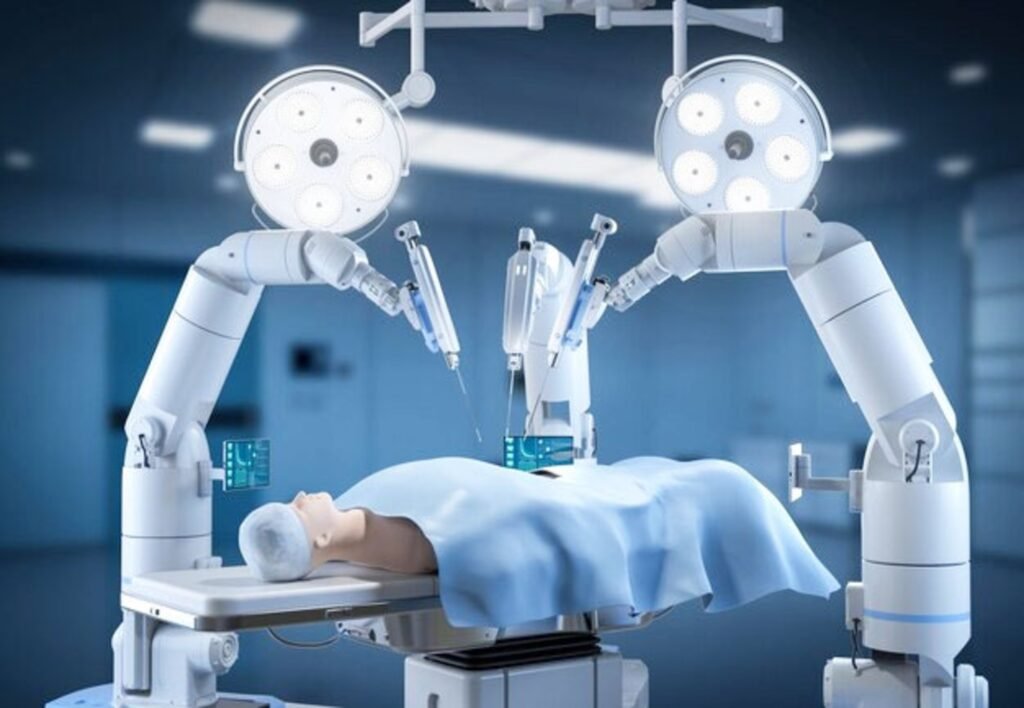
What is Robotic GI Cancer Surgery?
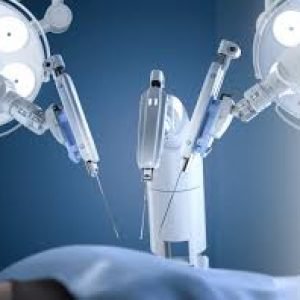
Robotic GI cancer surgery is a minimally invasive surgical technique in which the surgeon uses a robotic system to perform highly precise procedures on the gastrointestinal tract.
During the procedure:
- The surgeon operates from a console with a magnified, high-definition 3D view
- Robotic arms replicate the surgeon’s hand movements with enhanced precision and stability
- Specialised wristed instruments allow surgery through a few small incisions
This approach significantly improves surgical accuracy and functional outcomes compared with traditional open surgery.
When Is Robotic GI Cancer Surgery Recommended?
Dr. Mihir Shah evaluates each case individually, but robotic GI cancer surgery is commonly considered for:
- Colorectal cancer (colon and rectum)
- Stomach (gastric) cancer
- Esophageal cancer
- Pancreatic tumours
- Liver tumours
- Gastrointestinal stromal tumours (GIST)
It is especially valuable where precision and organ/function preservation are critical to long-term recovery.

Types Of Robotic GI Cancer Surgeries
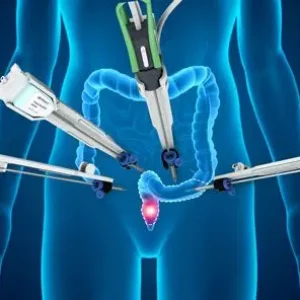
Robotic Colorectal Surgery
Removal of cancer in the colon or rectum with preservation of bowel function, reducing the likelihood of a permanent stoma where clinically appropriate.
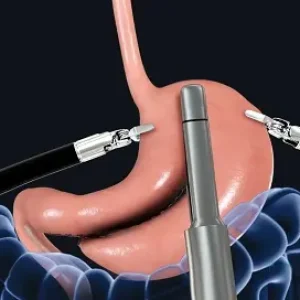
Robotic Gastric Surgery
Treatment of stomach cancers with partial or total gastrectomy, performed with robotic precision to protect surrounding structures.
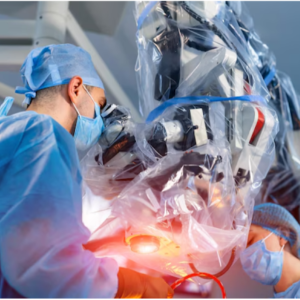
Robotic Esophageal Surgery
Minimally invasive robotic esophagectomy for esophageal tumours.
Robotic Pancreatic Surgery
Highly precise resection of pancreatic tumours, including complex procedures near major blood vessels.
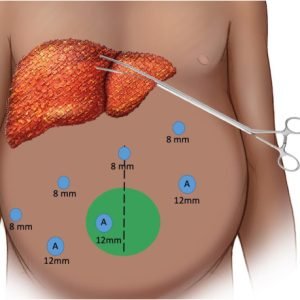
Robotic Liver Surgery
Targeted removal of liver tumours while preserving as much healthy liver tissue as possible.
Minimally invasive robotic approaches are known for reduced complications and quicker recovery compared to conventional techniques. Robotic technology offers multiple advantages:
Allows accurate tumor removal with minimal damage to surrounding organs.
Tiny cuts lead to minimal scarring and reduced postoperative pain.
Patients recover more quickly and return to normal activities sooner.
Improved surgical control reduces intraoperative bleeding.
Most patients are discharged earlier than with open surgery.
Helps preserve digestive function and quality of life.
How Is The Procedure Performed?

Preoperative Evaluation
- Imaging (CT scan / MRI)
- Blood tests
- Fitness and anesthesia assessment

Surgical Procedure
- Small keyhole incisions are made
- Robotic instruments are inserted
- The tumor is removed safely with precision

Postoperative Care
- Early mobilization
- Pain management
- Gradual return to diet
- Short hospital stay
Why Choose Dr. Mihir Shah For GI Cancer Surgery?
Extensive experience in managing complex gastrointestinal cancers.
Specialization in robotic and laparoscopic GI procedures.
Emphasis on preserving digestive function wherever possible.

Use of cutting-edge robotic systems for precision and safety.
Personalized care with clear communication and support.
Collaboration with oncologists, gastroenterologists, and critical care teams.
Dr. Mihir R. Shah addresses the most common questions to help you understand the procedure, recovery, and what to expect so you can move forward with confidence and clarity.
Yes. When performed by an experienced surgical oncologist, robotic GI cancer surgery is considered a safe and effective option, offering greater precision, improved control, and better visualisation than conventional open surgery.
Not always. Whether a stoma is needed depends on the tumour's location, stage, and the extent of bowel removal required. In many cases, the bowel can be safely reconnected, and where a stoma is necessary, it is often temporary.
Recovery is usually quicker than after open surgery. Most patients have a shorter hospital stay and return to normal daily activities within a few weeks, though exact timing depends on the procedure and the patient's overall health.
Robotic surgery offers advantages such as smaller incisions, less pain, reduced blood loss, and faster recovery. However, the right approach depends on the individual case — in some complex or advanced cancers, open surgery may still be more appropriate.
Robotic surgery is used to treat colorectal, stomach, esophageal, pancreatic, and liver cancers, as well as gastrointestinal stromal tumours (GIST), depending on stage and individual suitability.
If you or your loved one has been diagnosed with a gastrointestinal cancer, early and advanced treatment can make a life-changing difference.