
Breast Conservation Surgery (BCS)
Preserving Breast Tissue While Effectively Treating Cancer
Breast conservation surgery (BCS) is a safe and effective approach for early-stage breast cancer, allowing tumor removal while preserving the natural shape of the breast.
Breast conservation surgery (BCS), also called a lumpectomy or partial mastectomy, is a highly effective technique for treating early-stage breast cancer while preserving the natural appearance of the breast. This approach focuses on removing the cancerous tissue with a safe margin while keeping as much healthy breast tissue intact as possible, combining oncologic safety with aesthetic outcomes.
Modern breast conservation techniques, often combined with oncoplastic surgery, allow patients to maintain breast symmetry and shape, leading to better quality of life, body image, and faster recovery compared to full mastectomy.

What is Breast Conservation Surgery?
Breast conservation surgery is a minimally invasive approach where only the portion of the breast containing the tumor is removed. Key features of the procedure include:
- The surgeon excises the tumor with a margin of healthy tissue to ensure complete removal
- The remaining breast tissue is reshaped or rearranged for a natural appearance
- Nipple and skin may be preserved when feasible
- Often combined with radiation therapy post-surgery to minimize recurrence
Unlike mastectomy, which removes the entire breast, BCS allows patients to retain their breast, reducing emotional and physical impact while still providing effective cancer treatment.
When Is Breast Conservation Surgery Recommended?
BCS is commonly advised for patients with:
- Early-stage breast cancer (Stage I or II)
- Tumors small relative to breast size
- Cancer located in areas that allow adequate reshaping after excision
- Desire to preserve breast tissue and appearance
- No contraindications to post-operative radiation therapy
It is especially beneficial for women who want oncologic safety without full mastectomy, and for those seeking minimal scarring and faster recovery.

Types of Breast Conservation Surgeries
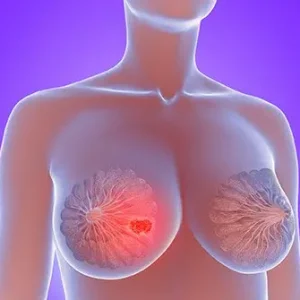
Standard Lumpectomy
Removal of the tumor with a margin of healthy tissue while keeping most of the breast intact.
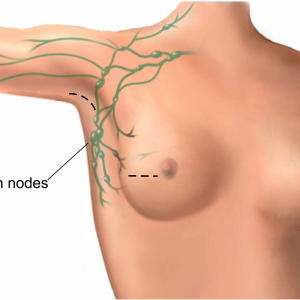
Wide Local Excision (WLE)
For slightly larger tumors, it removes more surrounding tissue while preserving breast contour.
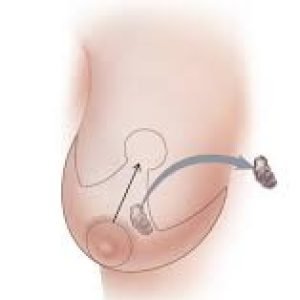
Oncoplastic Breast Conservation
Combines tumor removal with tissue rearrangement to maintain natural breast shape.
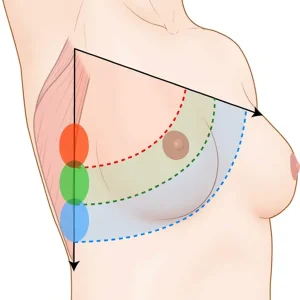
Volume Displacement Techniques
Redistributes remaining breast tissue after tumor removal for symmetry.
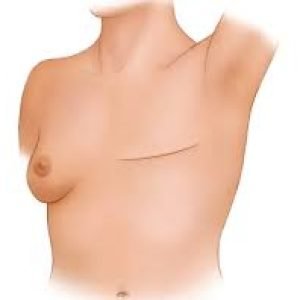
Volume Replacement Techniques
Uses tissue from nearby areas (or implants) when a significant portion of the breast is removed.
Benefits of Breast Conservation Surgery
Breast conservation surgery offers multiple advantages:
Oncologic Safety
Complete tumor removal with clear margins while minimizing recurrence risk.
Aesthetic Preservation
Maintains natural breast shape and symmetry, improving confidence and body image.
Minimally Invasive
Smaller incisions lead to less pain, scarring, and quicker healing.
Faster Recovery
Patients typically resume normal activities sooner than after a full mastectomy.
Reduced Psychological Impact
Preservation of the breast helps maintain self-esteem and emotional well-being.
Customized Approach
Surgical planning is tailored to tumor size, location, and breast anatomy for optimal results.
Less Need for Reconstruction
Oncoplastic techniques often eliminate the need for additional cosmetic procedures.
How Is The Procedure Performed?

Preoperative Evaluation
- Detailed imaging (mammography, ultrasound, MRI)
- Tumor biopsy and pathology analysis
- Blood tests and anesthesia assessment
- Surgical planning, including marking for optimal cosmetic outcomes

Surgical Procedure
- Tumor is precisely excised with a safe margin
- Remaining breast tissue may be rearranged for symmetry
- Nipple and skin preservation techniques applied if suitable
- Drains may be temporarily placed for fluid management

Postoperative Care
- Early mobilization and gentle arm exercises
- Pain management with oral or IV medications
- Wound care and monitoring
- Gradual return to normal activities
- Follow-up imaging and monitoring for recurrence
- Often combined with radiation therapy post-surgery for long-term cancer control
Why Choose Dr. Mihir Shah For Breast Conservation Surgery?
Extensive experience in performing complex breast conservation and oncoplastic procedures.
Combines oncologic safety with aesthetic outcomes using advanced techniques.
Personalized treatment plans with clear guidance and support.

Use of modern imaging, surgical planning, and robotic or minimally invasive tools.
Collaboration with oncologists, radiologists, plastic surgeons, and supportive care specialists.
Guidance and counseling to address emotional and body image concerns post-surgery.
Dr. Mihir R. Shah addresses the most common questions to help you understand the procedure, recovery, and what to expect so you can move forward with confidence and clarity.
Eligibility depends on the size, location, and stage of the tumor, as well as breast size and overall health. Dr. Shah evaluates each case carefully to determine if BCS is a safe and effective option.
BCS aims to remove the tumor while preserving the natural shape of the breast. Most patients achieve a cosmetically satisfactory result, and techniques can be tailored to minimize changes in appearance.
Recovery is usually quicker than mastectomy, with most patients resuming normal daily activities within a few weeks. Full healing and return to strenuous activity may take slightly longer, depending on the extent of surgery.
Yes, in most cases, radiation therapy is recommended after BCS to reduce the risk of cancer recurrence. The radiation plan is personalized based on tumor characteristics and patient needs.
In many cases, larger tumors can still be treated with BCS using advanced surgical techniques that allow removal of the tumor while preserving breast tissue and shape, avoiding the need for full mastectomy.
If you or your loved one has been diagnosed with early-stage breast cancer, breast conservation surgery offers effective tumor removal while preserving breast appearance, improving both health and quality of life.