
Robotic Esophageal Cancer Surgery
Advanced Esophageal Cancer Treatment with Precision Robotic Technology
Experience safer, more precise, and minimally invasive treatment for esophageal cancer with robotic-assisted surgery.
Robotic esophageal cancer surgery is an advanced technique used to treat cancers of the esophagus with high precision and improved safety. Using high-definition 3D visualization and robotic technology, surgeons can remove tumors while preserving surrounding vital structures—resulting in faster recovery, less pain, and better functional outcomes.
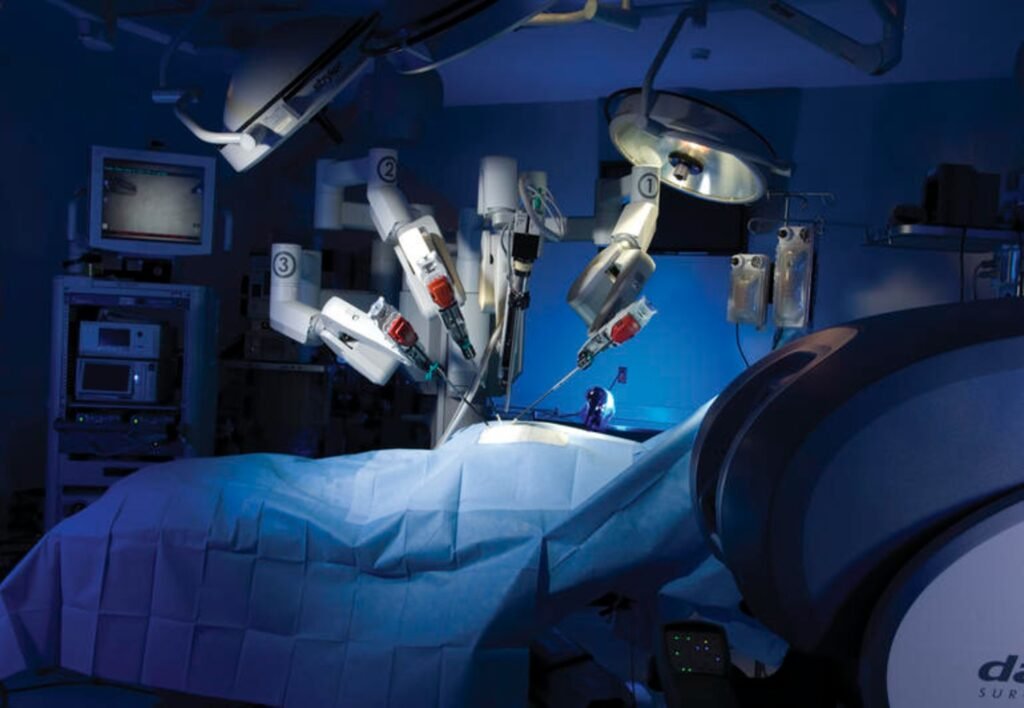
What is Robotic Esophageal Cancer Surgery?
Robotic esophageal cancer surgery is a minimally invasive procedure where the surgeon uses a robotic system to remove cancer from the esophagus. During the procedure:
- The surgeon operates from a console with a magnified 3D view
- Robotic arms replicate movements with enhanced precision
- Specialized instruments allow surgery through small incisions
This approach allows for better visualization and accuracy compared to traditional open surgery.
When Is Robotic Esophageal Surgery Recommended?
Robotic esophageal cancer surgery is commonly advised in the following conditions:
- Early-stage esophageal cancer
- Locally advanced esophageal tumors
- Barrett’s esophagus with high-grade dysplasia
- Tumors at the gastroesophageal junction
It is especially beneficial when precise dissection and reconstruction are required.
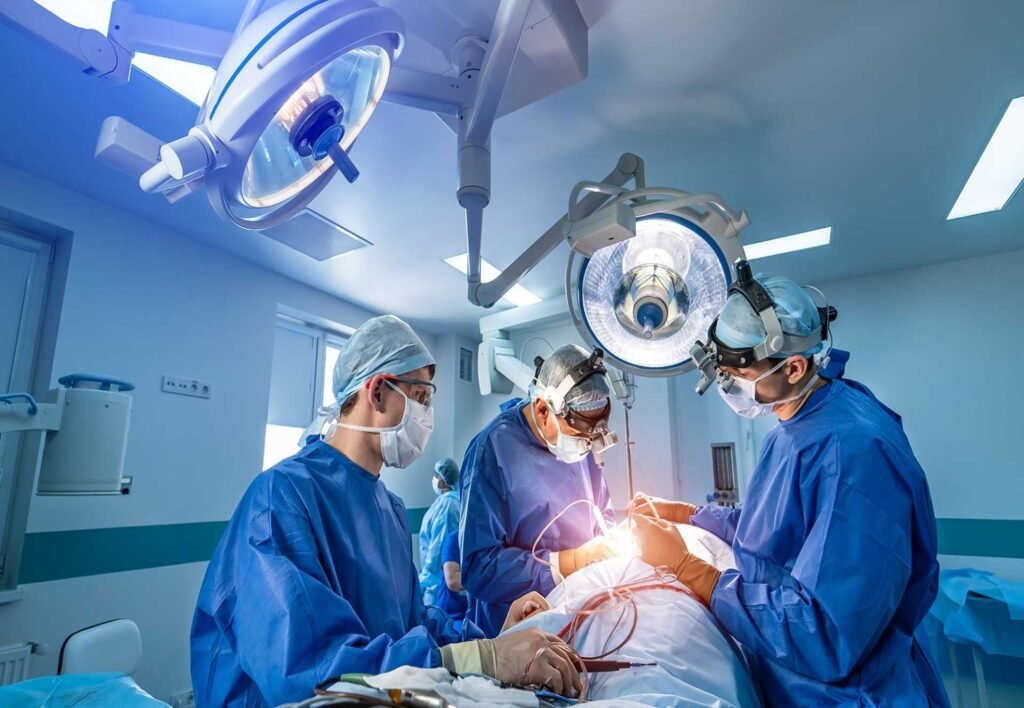
Types Of Robotic Esophageal Surgeries
Robotic Esophagectomy
Removal of the cancerous portion of the esophagus with reconstruction.
Minimally Invasive Esophagectomy (MIE)
Combined thoracic and abdominal approach using robotic precision.
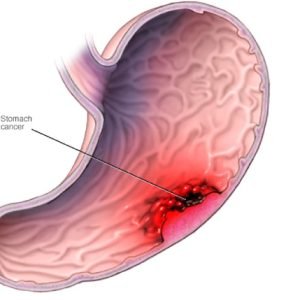
Robotic Gastroesophageal Junction Surgery
Treatment for tumors located where the esophagus meets the stomach.
Benefits Of Robotic Esophageal Cancer Surgery
Minimally invasive robotic approaches are known for reduced complications and quicker recovery compared to conventional techniques. Robotic technology offers multiple advantages:
Enhanced Precision
Improves accuracy in tumor removal while protecting nearby vital structures.
Smaller Incisions
Results in less postoperative pain and minimal scarring.
Faster Recovery
Patients recover more quickly compared to open surgery.
Less Blood Loss
Better control during surgery reduces bleeding risks.
Shorter Hospital Stay
Early recovery allows quicker discharge.
Better Functional Outcomes
Better swallowing outcomes and quality of life.
How Is The Procedure Performed?

Preoperative Evaluation
- Endoscopy and Biopsy
- CT scan / PET scan
- Blood tests and Fitness assessment

Surgical Procedure
- Small incisions in the chest and abdomen
- Robotic instruments are inserted
- The tumor is removed, and the digestive tract is reconstructed

Postoperative Care
- ICU monitoring (if required)
- Gradual reintroduction of Diet
- Pain management and early mobilization
Why Choose Dr. Mihir Shah For Esophageal Cancer Surgery?
Extensive experience in treating esophageal and upper GI cancers.
Specialized in robotic esophagectomy and advanced techniques.
Careful handling of delicate structures like lungs and nerves.

Use of modern robotic systems for superior surgical outcomes.
Clear communication, personalized care, and full support.
Team-based approach with oncologists, pulmonologists, and ICU specialists.
Dr. Mihir R. Shah addresses the most common questions to help you understand the procedure, recovery, and what to expect so you can move forward with confidence and clarity.
Esophageal cancer surgery is a complex procedure, but it is generally safe when performed by an experienced surgical team in a well-equipped center. Advances in surgical techniques, including minimally invasive and robotic approaches, have improved safety, reduced complications, and enhanced recovery outcomes for many patients.
After esophageal surgery, eating habits will change initially, but most patients gradually return to a near-normal diet over time. You may need to start with liquids and soft foods, eat smaller and more frequent meals, and follow specific dietary guidelines to aid digestion and comfort.
Recovery after esophageal cancer surgery varies depending on the type of procedure and overall health. Typically, patients stay in the hospital for about 7 to 10 days, and full recovery may take several weeks to a few months, with gradual improvement in strength and daily activities.
Many patients require additional treatment such as chemotherapy, radiation therapy, or a combination of both, either before or after surgery. The choice depends on the stage and type of cancer, and your oncology team will create a personalized treatment plan to achieve the best possible outcome.
If you or your loved one has been diagnosed with esophageal cancer, timely and advanced treatment can significantly improve outcomes.