
What Lifestyle Changes Are Needed After Cancer Surgery?
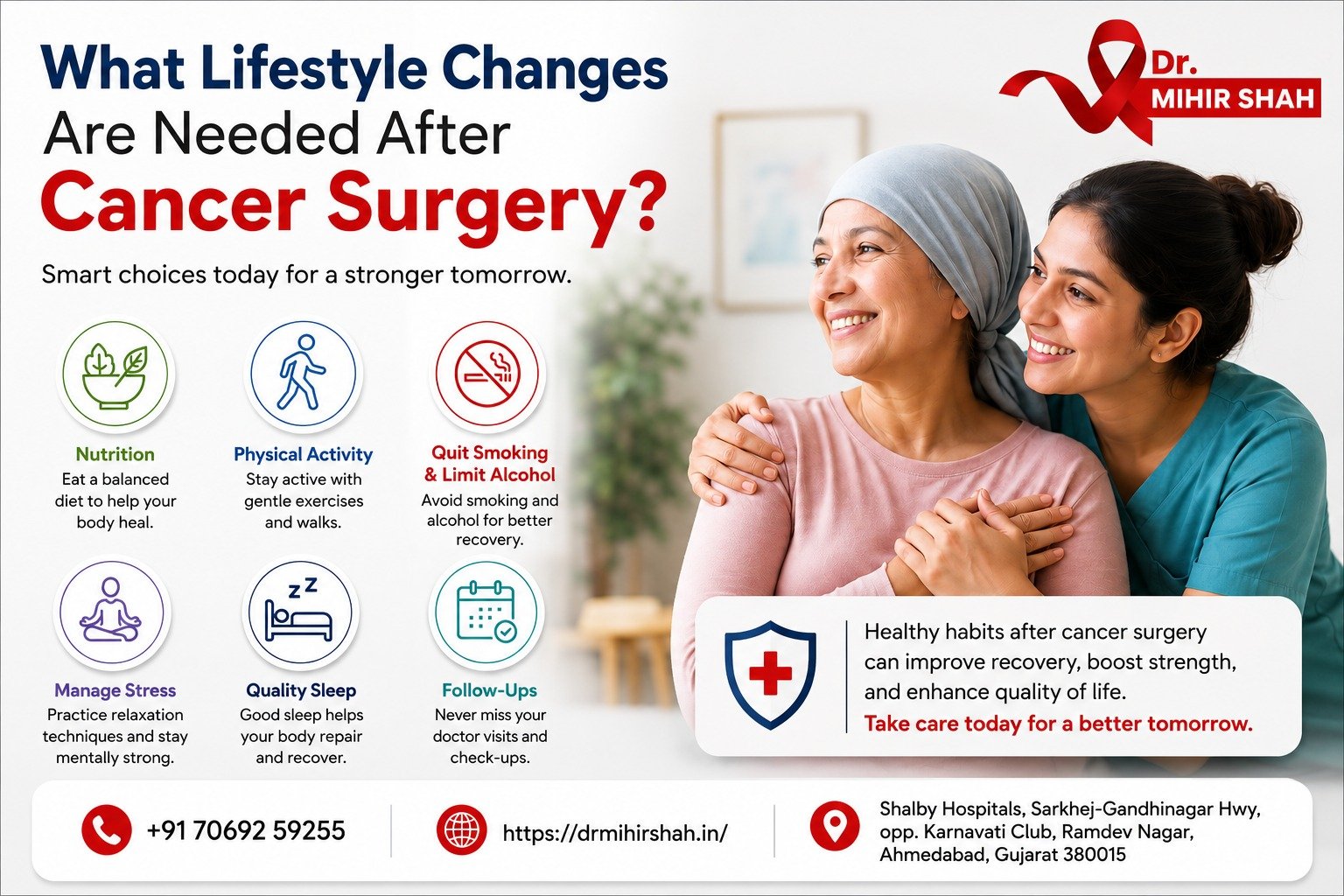
Completing cancer surgery is a significant milestone. But for most patients, the surgery itself is only the beginning of a longer journey. What you do in the weeks, months, and years after the operation has a real impact on your recovery, your quality of life, and in many cases, how well your overall treatment works. If you have recently had a procedure or are preparing for one under a cancer surgeon in Ahmedabad, understanding what lifestyle changes are actually needed — and why — can make a meaningful difference to your outcomes.
Why Lifestyle Changes Matter After Cancer Surgery
Cancer surgery is physically demanding, even when performed using minimally invasive techniques. The body goes through significant stress during the procedure and needs active support to recover well. Beyond the physical recovery, certain lifestyle habits have been shown to influence cancer recurrence risk, treatment side effects, and overall health during follow-up care.
A cancer doctor in Ahmedabad who specialises in surgical oncology will often emphasise that surgery is one part of a multi-layered treatment plan. Lifestyle habits — what you eat, how much you move, how you manage stress, and whether you follow through on medical follow-ups — form the foundation that holds everything else together.
One of the first things patients need to revisit after cancer surgery is their diet. The body’s nutritional demands increase significantly during recovery. Poor nutrition can slow wound healing, weaken the immune system, and make it harder to tolerate subsequent treatments like chemotherapy or radiation if they are part of your plan.
General dietary priorities after cancer surgery include:
- Adequate protein intake — essential for tissue repair and immune function. Include eggs, dal, fish, paneer, chicken, and legumes regularly
- Iron-rich foods — especially important after surgery, where blood loss may have occurred. Spinach, beetroot, pomegranate, and fortified cereals are good sources
- Fruits and vegetables — provide antioxidants that support immune function and reduce inflammation
- Whole grains over refined carbohydrates — for sustained energy and better gut health
- Staying well hydrated — water supports organ function, digestion, and recovery
Depending on the type of cancer surgery you had — whether it involved the head and neck, breast, colon, or other organs — your dietary needs may be more specific. For example, patients who have had oesophageal or colon surgery may need to follow a modified diet for several weeks as the digestive system heals. Your surgical team will provide guidance tailored to your procedure.
Rest is important in the early days after surgery — but staying completely inactive for too long is not helpful either. Gentle movement, when introduced at the right time, supports blood circulation, reduces the risk of blood clots, helps manage fatigue, and improves mental well-being.
Here is a general approach most patients can follow:
- Week one to two: Short, slow walks around the home. Nothing strenuous
- Week three to four: Gradually increase walking distance outdoors, if cleared by your doctor
- Month two onwards: Light stretching, yoga, or guided physiotherapy, depending on your surgery type
- Three months and beyond: Return to more regular physical activity based on your recovery progress
Avoid heavy lifting, intense exercise, or any activity that strains your surgical site until your cancer doctor gives you specific clearance. Pushing too hard too soon is one of the more common mistakes patients make, especially when they are feeling better.
This one is non-negotiable. Smoking reduces blood flow to healing tissues, impairs immune function, and significantly increases the risk of cancer recurrence across multiple cancer types. If you were smoking before surgery, stopping completely after the procedure is one of the most important things you can do for your long-term health.
Similarly, alcohol consumption is linked to increased recurrence risk in several cancers, including breast, colon, and head and neck cancers. It also interferes with how the body processes certain cancer medications. Cutting alcohol out entirely during active treatment — and significantly reducing it long-term — is strongly advised.
If you need support to quit smoking or reduce alcohol, speak with your doctor. There are structured programmes and medications that can help.
Life after cancer surgery is emotionally complex. Many patients experience anxiety about recurrence, uncertainty about the future, changes in body image, and fatigue that affects mood and daily functioning. These are not small concerns — they are recognised parts of cancer recovery that deserve proper attention.
Practices that help manage mental health after surgery include:
- Mindfulness and meditation — even ten minutes a day can reduce anxiety and improve sleep
- Gentle yoga or pranayama — beneficial for both physical recovery and emotional regulation
- Talking to a counsellor or therapist who has experience with cancer patients
- Staying connected with family and close friends — isolation worsens recovery outcomes
- Joining a cancer support group — many patients find comfort in speaking with others who understand the experience
The best surgical oncologist in Ahmedabad will tell you that recovery is not just physical. The emotional and psychological dimension of post-cancer care is just as important, and seeking support for it is a sign of strength, not weakness.
Quality sleep is when the body does its most intensive repair work. After cancer surgery, patients often struggle with sleep due to discomfort, anxiety, or medication side effects. Making sleep a priority is important.
Practical tips for better post-surgery sleep:
- Maintain a consistent sleep and wake time
- Avoid screens for at least an hour before bed
- Keep the bedroom cool, dark, and quiet
- Use supportive pillows to reduce discomfort around the surgical site
- If pain is disrupting sleep, speak with your doctor about adjusting pain management
One of the most important lifestyle habits after cancer surgery is simply showing up for your scheduled follow-up visits. These appointments are when your surgeon checks wound healing, reviews pathology results, monitors for signs of recurrence, and coordinates the next steps in your overall treatment plan.
Missing follow-up visits — even once — can delay the detection of complications or recurrence. Many patients feel fine and assume they do not need to go. That assumption is risky. Early detection of any issue after cancer surgery significantly improves the chances of managing it successfully.
Every cancer patient’s situation is different. The type of surgery, the stage of cancer, the treatment plan that follows, and the patient’s overall health all influence what lifestyle changes matter most for that individual. There is no one-size-fits-all approach.
Dr. Mihir Shah is a DNB-qualified cancer doctor in Ahmedabad with over ten years of experience in surgical oncology at Shalby Hospital. Having treated more than 20,000 patients across Gujarat, he understands that post-surgery recovery extends well beyond the operating theatre. His approach to cancer care includes guiding patients and their families on what to expect after surgery and how to support recovery through the right lifestyle choices.
If you are looking for the best surgical oncologist in Ahmedabad for a consultation before or after cancer surgery, Dr. Mihir Shah offers expert, patient-centred guidance at every stage of the journey — from diagnosis and surgery to recovery and long-term follow-up.